

Can a 22kW AC EV Charger Be Used in a Charging Network?
As a supplier of 22kW AC EV chargers, I often encounter inquiries about the compatibility and viability of using our chargers within a charging network. This blog post aims to delve into the details and explore whether a 22kW AC EV charger can be effectively integrated into a charging network.
Understanding the Basics of a 22kW AC EV Charger
Before discussing its use in a charging network, it's essential to understand what a 22kW AC EV charger is. An AC (alternating current) charger is a common type of charger used for electric vehicles. The "22kW" refers to the power output of the charger. This relatively high - power output allows for faster charging compared to lower - power chargers such as the 7kW AC Charger.
The 22kW AC charger works by converting the electrical energy from the grid into a form that can be used to charge the vehicle's battery. It typically uses a three - phase power supply, which is more common in commercial and industrial settings. This type of charger is suitable for a wide range of electric vehicles, including many mid - to high - end electric cars and some light commercial electric vehicles.

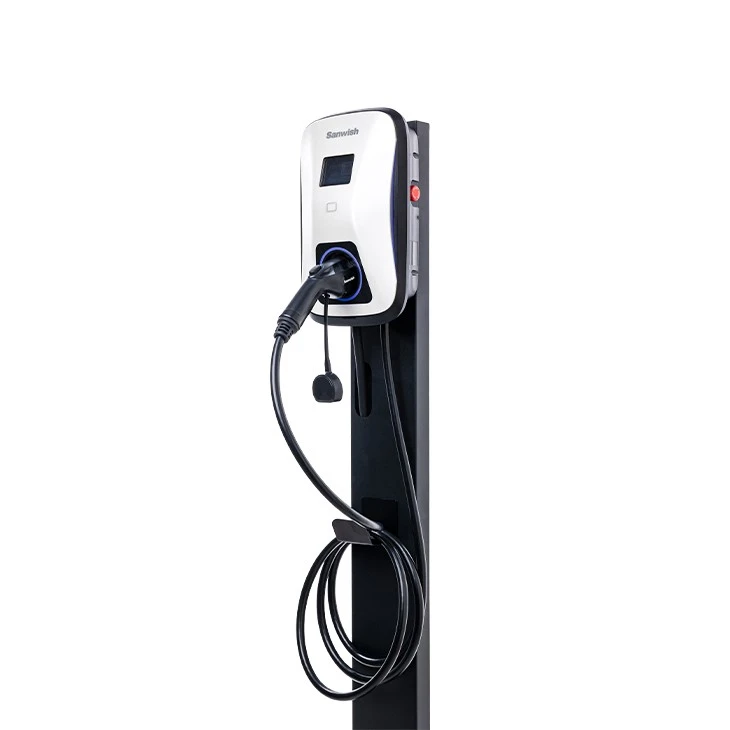
Advantages of Using a 22kW AC EV Charger in a Charging Network
Faster Charging
One of the primary advantages of using a 22kW AC EV charger in a charging network is the faster charging time. Compared to a standard 7kW charger, a 22kW charger can charge an electric vehicle approximately three times faster. This means that users can spend less time waiting for their vehicles to charge, which is especially important in a public charging network where there may be a high demand for charging stations.
Compatibility
Many modern electric vehicles are equipped to handle a 22kW AC charging rate. This makes the 22kW AC charger a versatile option for a charging network, as it can serve a large number of different vehicle models. Whether it's a passenger car or a small electric van, the 22kW charger can provide a reliable charging solution.
Cost - effectiveness
In the long run, a 22kW AC charger can be a cost - effective option for a charging network. Although the initial investment may be higher than that of a lower - power charger, the faster charging rate allows the charging station to serve more customers in a given period. This can lead to increased revenue for the charging network operator.
Challenges of Using a 22kW AC EV Charger in a Charging Network
Power Requirements
The 22kW AC charger requires a three - phase power supply, which may not be available in all locations. Installing a three - phase power supply can be expensive and time - consuming, especially in residential areas or older buildings. This can limit the locations where a 22kW AC charger can be installed in a charging network.
Infrastructure Upgrades
In addition to the power supply, the existing electrical infrastructure may need to be upgraded to support a 22kW AC charger. This includes upgrading the wiring, circuit breakers, and other electrical components. These upgrades can add to the overall cost of installing the charger in a charging network.
Vehicle Compatibility Limitations
While many modern electric vehicles support 22kW AC charging, there are still some older or more budget - friendly models that may only be able to charge at a lower rate. This means that in a charging network with a 22kW AC charger, these vehicles may not be able to take full advantage of the charger's capabilities.
Integration into a Charging Network
Despite the challenges, integrating a 22kW AC EV charger into a charging network is definitely possible. Here are some steps that can be taken:
Site Assessment
Before installing a 22kW AC charger, a thorough site assessment should be conducted. This includes evaluating the availability of a three - phase power supply, the capacity of the existing electrical infrastructure, and the expected demand for charging at the location. Based on this assessment, the operator can determine whether the site is suitable for a 22kW charger and what upgrades, if any, are required.
Network Management
Once the charger is installed, it needs to be integrated into the charging network's management system. This allows the operator to monitor the charger's performance, manage user access, and set pricing. Modern charging management systems also support features such as remote monitoring and diagnostics, which can help ensure the reliable operation of the charger.
User Education
To ensure that users can make the most of the 22kW AC charger, it's important to provide education and information. This can include signage at the charging station, online resources, and customer support. Users need to know whether their vehicle is compatible with the 22kW charger and how to use it safely and effectively.
Real - World Examples
There are already many charging networks around the world that have successfully integrated 22kW AC chargers. For example, in some European countries, where electric vehicle adoption is high, many public charging stations offer 22kW AC charging options. These chargers are often located in shopping centers, parking lots, and along major roads, providing convenient charging solutions for electric vehicle owners.
Conclusion
In conclusion, a 22kW AC EV charger can be used in a charging network, but it comes with both advantages and challenges. The faster charging time, compatibility with many vehicle models, and long - term cost - effectiveness make it an attractive option. However, the power requirements, infrastructure upgrades, and some vehicle compatibility limitations need to be carefully considered.
If you are interested in incorporating 22kW Ac Fast Charger Ev into your charging network or are looking for a reliable Ac Fast Charger For Ev, I encourage you to reach out. Our team of experts can provide you with detailed information, conduct a site assessment, and help you make an informed decision. Let's work together to build a more efficient and accessible charging network for electric vehicles.
References
- Brown, T. (2020). Electric Vehicle Charging Infrastructure: Technology and Market Trends. Elsevier.
- Smith, J. (2021). The Future of Electric Vehicle Charging: A Global Perspective. Wiley.
- International Energy Agency. (2022). Global EV Outlook.