

Wallbox Charger
A wallbox serves as a charging station for electric vehicles, mounted either on a wall or a pedestal. Unlike charging stations commonly found along roads, wallboxes are typically installed at home, workplaces, or parking garages. Wallboxes come in various types, distinguished by performance features and pricing. Some models charge vehicles faster than others, while some offer additional features like app control or real-time monitoring of the charging process. Additionally, it's crucial to determine whether the wallbox will be publicly accessible or restricted to private use, as this affects compliance with calibration laws.
Advantages of Wallbox Charger
Convenient
One of the most significant advantages of owning a wallbox charger is that it allows the driver to charge the electric vehicle overnight, ready to go for the following day.
Economical
It allows drivers to use the lower overnight electric rates, which also puts less stress on the electric grid.
Safe
Wallboxes are designed to safeguard against the risk of electric shocks, overheating and voltage peaks. Moreover, the self-diagnostic system installed in the charger allows it to provide a high wattage power supply for long periods making it a safe option for the household.
Efficient
When compared to trickle chargers, Wallbox chargers are much quicker in charging a vehicle, especially when their DC fast charger is in use.
Attractive
One of the primary reasons people choose the Wallbox charger is because the design is sleek and minimalistic. If you want an EV charger that fits seamlessly into the design of your home, then look no further.
-
![Wallbox Ocpp Enabled Charger]() Wallbox Ocpp Enabled ChargerUpgrade your home charging experience with the cutting-edge Sanwish wallbox OCPP enabled charger. This powerful 7.2kW EV home charger is designed to meet the ever-growing demands of electric...read more
Wallbox Ocpp Enabled ChargerUpgrade your home charging experience with the cutting-edge Sanwish wallbox OCPP enabled charger. This powerful 7.2kW EV home charger is designed to meet the ever-growing demands of electric...read more -
![Ev Charging Station Wallbox]() Ev Charging Station WallboxSanwish EV charging station wallbox is suitable for both domestic and commercial. The products have obtained TUV and CE certificates in compliance with EU standards. Sanwish EV charging station...read more
Ev Charging Station WallboxSanwish EV charging station wallbox is suitable for both domestic and commercial. The products have obtained TUV and CE certificates in compliance with EU standards. Sanwish EV charging station...read more -
![Wallbox 22kW Charger For Ev]() Wallbox 22kW Charger For EvSanwish wallbox 22kW charger for EV is fully integrated, automated, payment-enabled, and supports an open network of smart charging solutions, assisting in proactive maintenance. Sanwish wallbox...read more
Wallbox 22kW Charger For EvSanwish wallbox 22kW charger for EV is fully integrated, automated, payment-enabled, and supports an open network of smart charging solutions, assisting in proactive maintenance. Sanwish wallbox...read more -
![Wallbox Electric Car Charger]() Wallbox Electric Car ChargerSanwish wallbox electric car charger is a fast, efficient & safe ev charger. As a Mode 3 AC wallbox charger compliant with IEC61851-1 standards, this residential EV AC wallbox is engineered to...read more
Wallbox Electric Car ChargerSanwish wallbox electric car charger is a fast, efficient & safe ev charger. As a Mode 3 AC wallbox charger compliant with IEC61851-1 standards, this residential EV AC wallbox is engineered to...read more -
![11kW Wallbox Ev Charger]() 11kW Wallbox Ev ChargerSanwish 11kW wallbox EV charger has a flexible output power range of 7.2kW, 11kW & 22kW via its IEC 62196-2 compliant Type 2 socket to meet the needs of all vehicle categories.read more
11kW Wallbox Ev ChargerSanwish 11kW wallbox EV charger has a flexible output power range of 7.2kW, 11kW & 22kW via its IEC 62196-2 compliant Type 2 socket to meet the needs of all vehicle categories.read more -
![11kW Wallbox Charger]() 11kW Wallbox ChargerSanwish 11kW wallbox charger is a wall-mounted or floor-mounted APP smart charger and suitable for home using. Sanwish wallbox charger is easy to install, stable in performance, and has a complete...read more
11kW Wallbox ChargerSanwish 11kW wallbox charger is a wall-mounted or floor-mounted APP smart charger and suitable for home using. Sanwish wallbox charger is easy to install, stable in performance, and has a complete...read more -
![7.2kW AC Wallbox Charger]() 7.2kW AC Wallbox ChargerSanwish 7.2kW AC wallbox charger is an EV charger which suitable for home use. It is easy to install, stable in performance, and has a complete protection mechanism.read more
7.2kW AC Wallbox ChargerSanwish 7.2kW AC wallbox charger is an EV charger which suitable for home use. It is easy to install, stable in performance, and has a complete protection mechanism.read more -
![22kW Best Wallbox Charger]() 22kW Best Wallbox ChargerSanwish 22kW best wallbox charger are created to give your EV a powerful smart charger in small size. Sanwish 22kW wallbox charger is perfect for daily use at home. Its compact dimensions and...read more
22kW Best Wallbox ChargerSanwish 22kW best wallbox charger are created to give your EV a powerful smart charger in small size. Sanwish 22kW wallbox charger is perfect for daily use at home. Its compact dimensions and...read more -
![Home Wallbox Charger]() Home Wallbox ChargerSanwish home wallbox charger is a smart and efficient charging solution for electric vehicle owners. Sanwish home wallbox charger with Mobile App allows you to monitor and manage your energy...read more
Home Wallbox ChargerSanwish home wallbox charger is a smart and efficient charging solution for electric vehicle owners. Sanwish home wallbox charger with Mobile App allows you to monitor and manage your energy...read more -
![Mini Wallbox Charger]() Mini Wallbox ChargerSanwish Mini wallbox charger with RFID technology feature an RFID reader capable of identifying the tags in RFID cards, enabling users to initiate and end charging sessions as well as lock and...read more
Mini Wallbox ChargerSanwish Mini wallbox charger with RFID technology feature an RFID reader capable of identifying the tags in RFID cards, enabling users to initiate and end charging sessions as well as lock and...read more


Why Choose Us
Our factory
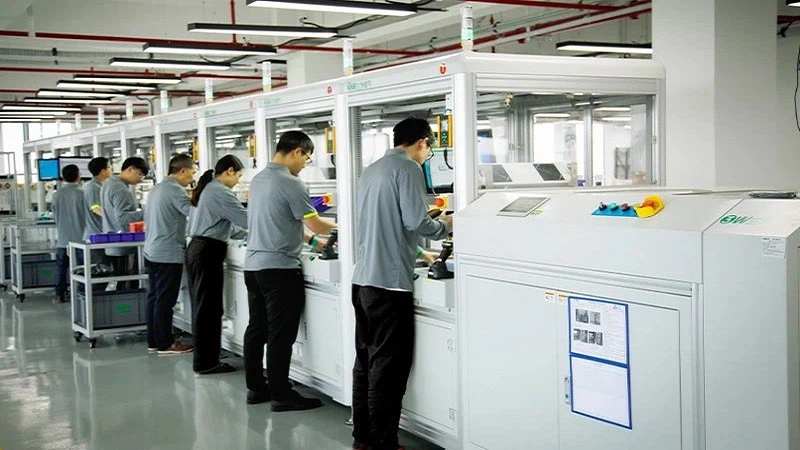
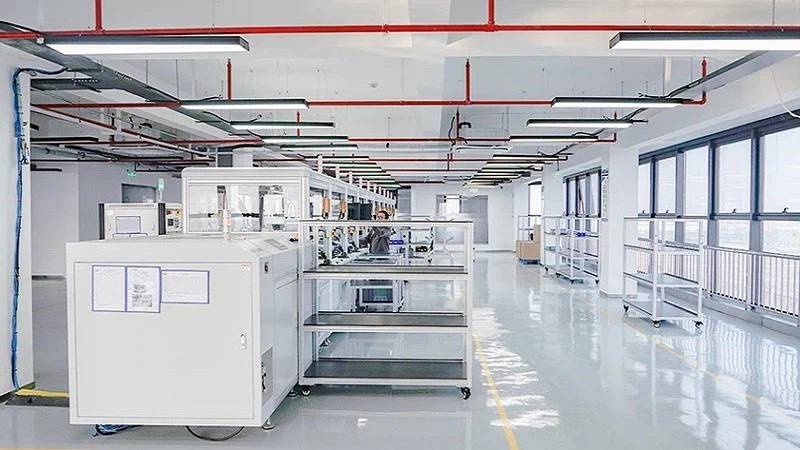
Sanwish factory is located in Hangzhou city with 10000m2 floor area and 230 high skilled employees. It is equipped with advanced production lines with daily production capacity of 500 units EV chargers and related accessories. Sanwish factory obtains ERP and MES production management systems, and can track the entire life cycle of each product sold.
Our certificate
Our products are certified with ISO9001, TUV, and CE certificates. These certifications validate that our products meet international quality standards and safety regulations, providing reliable assurance to our customers.
Production equipment
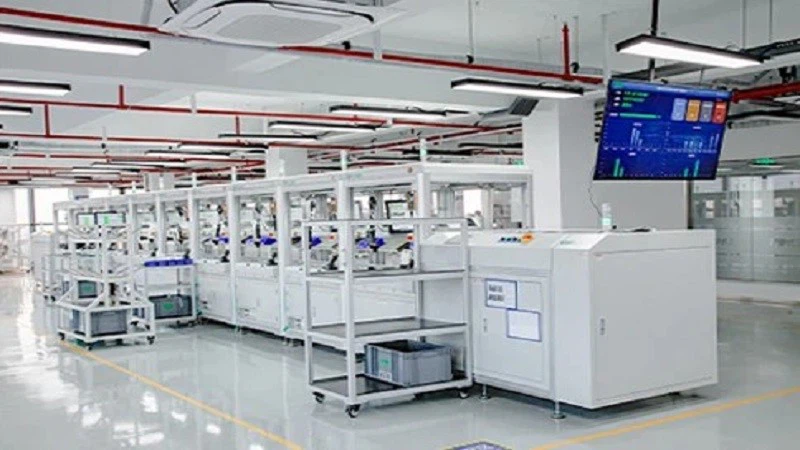
Station AC EV chargers production line, equipped with MES system. Each workstation has a code scanner and SOP display screen. SOP display screen shows production status in real time. Each workstation is equipped with a code scanner, and the MES system records the production information of each product.
Our service
1 to 1 customized professional communication, as specific as possible. It offer tailor-made solutions for customers according to customers' specific requirement. Offer competitive prices for the available products. 2 years warranty. 100% follow up within warranty period accessories support within warranty period. Replace new products for quality problems within warranty period.
When you connect your electric car to the wallbox with a charging cable, the car and the wallbox start to communicate with each other. The system checks how much current the connection can supply, how much the charging cable can handle and how much charging power the electric car can actually absorb. The weakest link in the chain then ultimately determines the charging power, i.e. how much current the electric car can be charged with and thus how fast.
Some wallboxes visualise the status of the charging process or error messages with an LED display. The charger has a black push button next to the type 2 socket. You can use this to adjust the charging power if necessary, e.g. to charge more efficiently with your PV system. The charging power can also be adjusted in the app, even steplessly.
Technical Aspects to Keep in Mind When Installing a Wallbox Charger
From a technical perspective, a wallbox is just a power socket, except that it does not feed any electricity unless you activate a charging procedure. The wallbox sends a signal to the car, which tries to understand what amount of power it can draw from the device. It noted that there were no known examples of an electric car not being compatible with a wallbox and refusing to get charged. Thus, wallboxes are a relatively reliable way to charge electric cars, including those with large-capacity batteries, at home.
When installing a wallbox, one should also make sure that it is not exposed to rain and snow. A qualified electrician will attach it to a wall of the building, set up a power leak protection system, prepare the documentation, and perform the necessary measurements. However, digging will be necessary if the client wants the wallbox to be installed, for example, in the middle of a garden. This is a more complex task, and one would have to watch out for other cables.
Speaking of safety, explained that a power leak protection system is a standard feature included in wallboxes. There is 6 mA direct-current protection inside the wallbox itself. The power cabinet outside also has a 30 mA alternating-current leak protection system. You can also buy wallboxes, in which all of this is already integrated. The installation of the wallbox can be handled by the client, but it is much easier and more convenient to contact specialists for this, as they will help choose the right wallbox, and then properly install it, with customised solutions available. We offers prices starting at 1025 euros for a 7.4 kW wallbox, including installation. Without installation, the device costs about 605 euros.

Handover
Your wallbox supplier will arrange for your unit to be delivered.
Fitting
The installer will drill through the outside wall to allow the wallbox to be connected to the electric supply.
Connected
Your new wallbox is wired into the household mains via the consumer unit.
Features
Most wallboxes have WiFi connections to let you monitor usage; Units made after 1 January 2019 have a ‘fuse saver’ to prevent circuits from tripping.
In control
Connecting your wallbox to the internet will let you monitor how much electricity you’ re using and how much it is costing you to charge your car.
The Difference Between a Charging Station and a Wallbox Charger
The choice between charging at public charging stations and using a wallbox depends on several factors that should be carefully evaluated. First and foremost, the frequency of electric vehicle usage can influence the decision. If you primarily use your vehicle for long-distance travel or require fast charging during stops, public charging stations offer a convenient and speedy solution. On the other hand, if your vehicle is mainly used for daily commutes and you have the option to charge it at home or in a private setting, a private wallbox might be the more suitable choice. Another crucial factor is the availability of public charging points in your area. If you live in an area with numerous well-distributed and easily accessible public charging stations, relying on this infrastructure might be convenient. Conversely, if your area has limited coverage of public charging stations, it could be more advantageous to install a private wallbox to ensure easy access to charging at home.
Charging speed is another aspect to consider. Public charging stations offer fast direct current charging, ideal for a journey or quick stops. Private wallboxes, on the other hand, may have lower charging power but provide the convenience of home charging and can be programmed to take advantage of cost-effective energy rates or renewable sources. Finally, it’ s essential to assess the cost and accessibility of both options. Public charging stations may require payment for usage, although subscription models and competitive rates are becoming more common. Private wallboxes require an initial investment for purchaseand installation but offer the convenience of home charging without additional costs.
Ultimately, the choice between public charging stations and private wallboxes depends on individual needs and circumstances. Both options offer advantages and can complement each other in creating a complete and convenient electric charging network for sustainable mobility. It is important to carefully and personally evaluate all these aspects, as even advice received from acquaintances or read on various websites, no matter how competent and reliable, may not be what we need for our specific case.
How Do I Choose the Right Wallbox Charger
When choosing a wallbox charger, you first need to decide how much power you want; as we mentioned, some wallboxes offer 3kW, others 7kW, and some can even charge at 11kW or 22kW if your premises has three-phase power. However, not only are those faster units more expensive, a lot of electric cars can’ t charge at these lofty speeds from an AC charger like a wallbox, so it’ s worth checking if your model can before you splurge on a top-of-the-line charger. Most people will be happy with a 7kW home wallbox anyway, as it’ ll provide you with plenty of juice if you plug in overnight. In addition to the different charging speeds, home chargers are available in either tethered or untethered form, which means either with or without a built-in cable. Almost all electric car chargers will come with a Type 2 charging cable and port as this is the connector used by all new electric cars and plug-in hybrids sold.
If you’ re unsure which connector is fitted to your car, check your vehicle's user manual or brochure. If you have an older electric car that uses a type connector, then not every home wallbox will work for you. Standard installation costs are usually included in the price, and a certified technician will do the job. One company says 90% of customers qualify for the free standard installation, with those falling outside the criteria needing to pay extra if further work is required. Not all home charger prices include installation though, so that’ s another thing to keep in mind.

Maintenance Tips for Wallbox Charger
Regular cleaning
It is important to keep the wall box clean from dust, debris, and other contaminants. Regularly inspect the exterior of the wall box and wipe it down with a soft, damp cloth. Avoid using harsh chemicals or abrasive materials that could damage the surface. Cleaning the wall box not only enhances its appearance but also prevents potential issues caused by dirt buildup.
Check for loose connections
Periodically inspect the connection points of the wall box, including the power plug and the charging cable. Ensure that all connections are secure and tight. Loose connections may lead to power fluctuations or charging interruptions. If any loose connections are found, gently tighten them using the appropriate tools or consult a professional electrician.
Monitor cable condition
Regularly examine the charging cable for any signs of wear, fraying, or damage. Damaged cables should be replaced immediately to avoid safety hazards and ensure reliable charging. Keep the cable properly coiled or hung to prevent tangling and minimize stress on the internal wiring. Additionally, avoid placing heavy objects on the cable or exposing it to extreme temperatures.
Protect from environmental factors
The wall box is typically installed outdoors, making it vulnerable to various environmental factors. To protect it from rain, snow, sunlight, and extreme temperatures, consider installing a weatherproof enclosure or cover. Such protection helps prevent water damage, corrosion, and potential electrical issues, ensuring the longevity of the wall box.
Follow manufacturer's guidelines
Always refer to the manufacturer's guidelines and recommendations for specific maintenance procedures. They may provide instructions on software updates, firmware upgrades, or any specific maintenance requirements for the particular model of the wall box. Adhering to these guidelines ensures the device operates optimally and avoids voiding the warranty.
Our Factory
Sanwish is a professional EV charger manufacturer founded by Zhejiang LHD Ocean Tidal Power, which owns the world's largest tidal power station. By the huge support from parent group, Sanwish establishes own strong R & D team, and focuses on providing various types EV charger products for customers. Sanwish philosophy: Quality first, providing customers with high quality products that can withstand long-term testing. We are building a reputed brand and we cherish cooperation with all clients. Customer satisfaction is always our top concern. Sanwish factory is located in Hangzhou city with 10000m2 floor area and 230 high skilled employees. It is equipped with advanced production lines with daily production capacity of 500 units EV chargers and related accessories. Sanwish factory obtains ERP and MES production management systems, and can track the entire life cycle of each product sold. To guarantee product quality, it is also equipped with various testing equipment. Sanwish products have been exported to more than 20 countries in Europe, the Middle East, Southeast Asia, etc. Our products are certified with ISO9001, TUV, and CE certificates. These certifications validate that our products meet international quality standards and safety regulations, providing reliable assurance to our customers.
Certificate


FAQ
As one of the most professional wallbox charger manufacturers and suppliers in China, we're featured by quality products and competitive price. Please rest assured to buy high-grade wallbox charger from our factory.
efficient charger for electric vehicles, charger for plug in hybrid vehicles, portable charger for evs