

Can I use an EV charging cable in a wet environment?
As a trusted supplier of EV charging cables, I often encounter a common concern from our customers: Can I use an EV charging cable in a wet environment? This is a crucial question, considering that electric vehicles (EVs) are used in various weather conditions, and charging might be necessary even when it's raining or the charging area is wet.
Understanding the Risks
Electricity and water are a dangerous combination, and this principle applies to EV charging as well. When an EV charging cable is exposed to water, there is a risk of electrical short - circuits. Water can conduct electricity, and if it seeps into the cable's connectors or insulation, it can cause a short - circuit. A short - circuit can lead to overheating, which may damage the charging cable, the EV's charging system, and in severe cases, pose a fire hazard.
Another risk is electric shock. If a person touches a wet charging cable that is live, they could be electrocuted. This is especially dangerous as the voltage in an EV charging cable can be quite high, depending on the charging type. For example, a 240V EV Charging Cable carries a significant amount of electrical energy, and any contact with water can increase the risk of a dangerous electrical shock.
Design Features to Mitigate Risks
At our company, we understand these risks and have designed our EV charging cables with features to minimize the dangers associated with wet environments. Our cables are equipped with high - quality insulation materials. These insulators are designed to prevent water from penetrating the cable and coming into contact with the electrical conductors inside. The insulation is also resistant to moisture, which means it can maintain its integrity even when exposed to damp conditions for extended periods.
The connectors of our charging cables are also designed with waterproofing in mind. They have rubber gaskets and seals that prevent water from entering the connection points. This is crucial as the connectors are where the electrical connection is made, and any water ingress here could lead to a short - circuit. For instance, our Type 2 Charging Cable 10m has robust connectors that are tested to withstand water splashes and light rain.
In addition, our cables are rated for different levels of water resistance. We follow international standards such as the Ingress Protection (IP) rating system. An IP rating consists of two digits. The first digit indicates the protection against solid objects, and the second digit indicates the protection against water. For example, an IP67 - rated cable is dust - tight and can be submerged in water up to 1 meter for a limited time without damage.
Safe Use in Wet Conditions
While our EV charging cables are designed to be more resistant to wet conditions, it is still important to follow some safety guidelines. First, avoid using the cable in standing water. Even if the cable is waterproof, standing water can contain contaminants that may damage the cable over time or increase the risk of electrical problems.
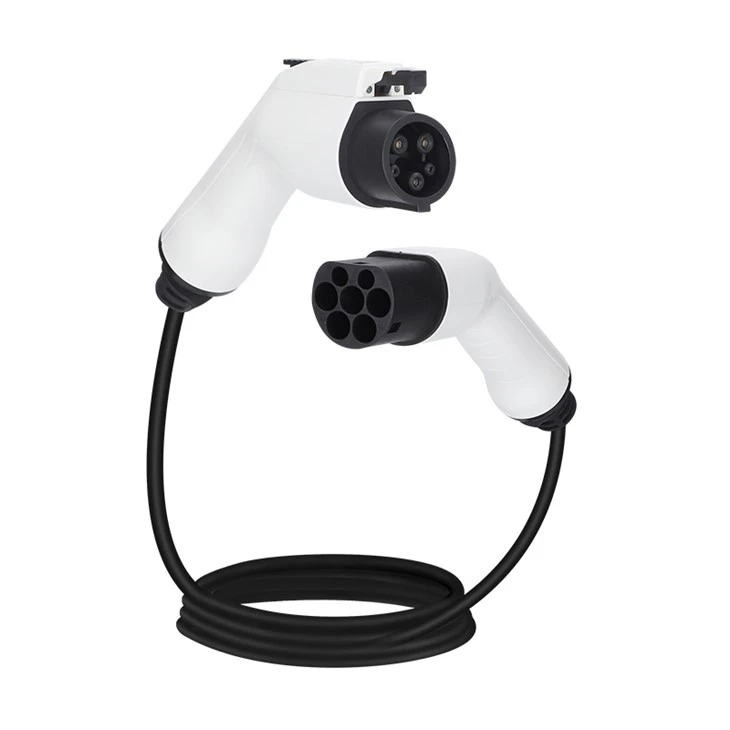

If it is raining, try to protect the charging cable as much as possible. You can use a charging station with a canopy or a shelter to keep the cable dry. If you are using a EV Home Charging Cable at home, make sure the area around the charging point is well - drained and not prone to flooding.
Before plugging in or unplugging the cable in wet conditions, make sure your hands are dry. This reduces the risk of electric shock. Also, inspect the cable regularly for any signs of damage, such as cracks in the insulation or loose connectors. If you notice any damage, do not use the cable and contact us for a replacement.
Testing and Certification
All our EV charging cables undergo rigorous testing to ensure their safety and performance in wet conditions. We conduct tests in controlled environments where the cables are exposed to different levels of moisture and water. These tests simulate real - world scenarios, such as heavy rain or accidental splashes.
Our cables are also certified by recognized international bodies. These certifications are a testament to the quality and safety of our products. They indicate that our cables meet the strict standards set for electrical safety and performance. For example, we have certifications for compliance with safety standards related to water resistance, which gives our customers peace of mind when using our cables in various conditions.
Conclusion
In conclusion, while it is possible to use an EV charging cable in a wet environment, it is not without risks. However, with our well - designed and tested EV charging cables, the risks can be significantly reduced. Our cables are built with features such as high - quality insulation and waterproof connectors to protect against water ingress and electrical hazards.
But it is still essential for users to follow safety guidelines. Always keep the cable as dry as possible, avoid using it in standing water, and ensure your hands are dry when handling the cable. If you have any questions or concerns about using our EV charging cables in wet conditions, please do not hesitate to contact us. We are here to provide you with the best advice and support. Whether you need a EV Home Charging Cable for your daily use or a Type 2 Charging Cable 10m for more specific charging needs, we have the right product for you. If you are interested in purchasing our EV charging cables, we invite you to contact us for procurement discussions. We are committed to providing you with high - quality products and excellent customer service.
References
- International Electrotechnical Commission (IEC) standards for electrical safety of EV charging cables.
- National Fire Protection Association (NFPA) guidelines on electrical safety in wet environments.
- Research papers on the effects of moisture on electrical insulation materials.