

When it comes to electric vehicles (EVs), one of the most crucial accessories is a reliable charger. Among the various types of chargers available, mini wallbox chargers have gained significant popularity due to their compact size, ease of installation, and efficient charging capabilities. As a supplier of mini wallbox chargers, I understand the importance of helping customers choose the right charger for their EVs. In this blog post, I will guide you through the key factors to consider when selecting a mini wallbox charger.
Compatibility with Your EV
The first and most important factor to consider is the compatibility of the charger with your EV. Different EV models have different charging requirements, including the maximum charging power they can accept. For example, some older EVs may only support a maximum charging power of 7.4 kW, while newer models can handle up to 22 kW or more. It is essential to check your EV's user manual or consult the manufacturer to determine the maximum charging power your vehicle can support.
As a supplier, we offer a wide range of mini wallbox chargers with different charging powers to ensure compatibility with various EV models. Our Wallbox 22kW Charger For Ev is a popular choice for EV owners who want to take advantage of faster charging speeds. This charger is designed to deliver up to 22 kW of power, which can significantly reduce charging times compared to lower-powered chargers.
Charging Speed
Charging speed is another critical factor to consider when choosing a mini wallbox charger. The charging speed is determined by the charger's power output, which is measured in kilowatts (kW). The higher the power output, the faster the charger can replenish your EV's battery.
However, it's important to note that the actual charging speed also depends on your EV's battery capacity and the state of charge. For example, if your EV has a large battery capacity, it will take longer to charge even with a high-powered charger. Additionally, charging speeds may slow down as the battery approaches full capacity to protect the battery from overcharging.
When selecting a charger, consider your daily driving needs and how quickly you need to charge your EV. If you have a long commute or frequently take road trips, a charger with a higher power output may be more suitable. On the other hand, if you only drive short distances and have plenty of time to charge your EV overnight, a lower-powered charger may be sufficient.
Installation Requirements
Before purchasing a mini wallbox charger, you need to consider the installation requirements. Most mini wallbox chargers are designed for home installation and can be mounted on a wall in your garage or driveway. However, you need to ensure that you have a suitable electrical circuit available to support the charger.
The electrical requirements for a mini wallbox charger depend on its power output. A charger with a lower power output (e.g., 7.4 kW) may be able to operate on a standard 240-volt household circuit, while a charger with a higher power output (e.g., 22 kW) may require a dedicated circuit with a higher amperage.
It's important to hire a qualified electrician to install your charger to ensure it is installed safely and correctly. Our team can provide you with installation guidelines and recommend qualified electricians in your area.
Smart Features
Many modern mini wallbox chargers come with smart features that can enhance your charging experience. These features include Wi-Fi connectivity, smartphone apps, and integration with home energy management systems.
Wi-Fi connectivity allows you to monitor and control your charger remotely using a smartphone app. You can check the charging status, start or stop charging, and set charging schedules. Some apps also provide real-time energy consumption data, which can help you manage your electricity usage and save money.
Integration with home energy management systems allows you to optimize your charging based on your home's energy production and consumption. For example, if you have solar panels installed, you can set your charger to charge your EV when your solar panels are producing excess energy.
Our Home Wallbox Charger comes with a user-friendly smartphone app that allows you to monitor and control your charger from anywhere. The app also provides real-time energy consumption data and allows you to set charging schedules to take advantage of off-peak electricity rates.
Safety Features
Safety is always a top priority when it comes to charging your EV. Mini wallbox chargers are equipped with various safety features to protect your EV, your home, and yourself.
Some common safety features include overcurrent protection, overvoltage protection, and ground fault protection. These features are designed to prevent electrical hazards and ensure that your charger operates safely.
In addition to these standard safety features, some chargers also come with additional safety features such as temperature monitoring and automatic shut-off. Temperature monitoring helps to prevent the charger from overheating, while automatic shut-off ensures that the charger stops charging when the battery is full.

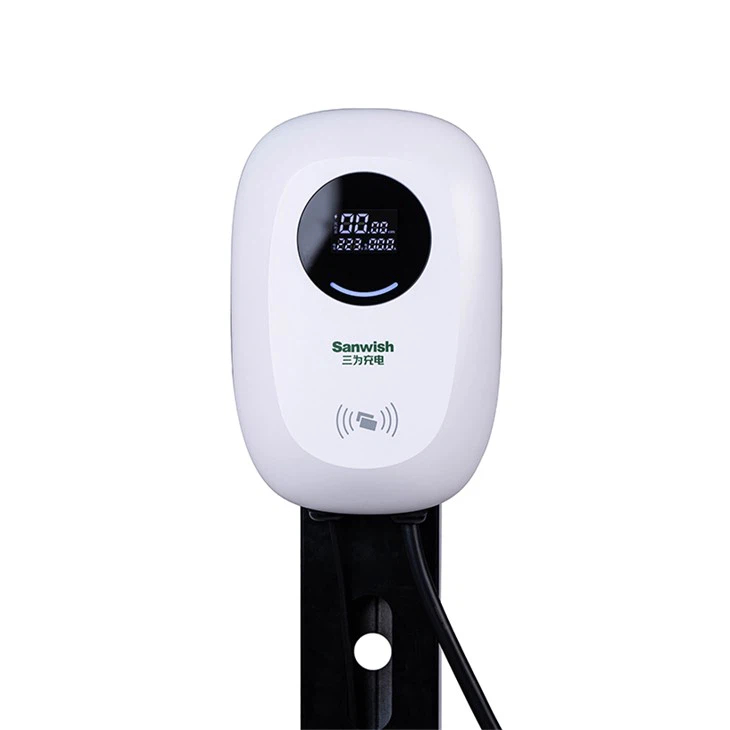
Our Wallbox Ocpp Enabled Charger is designed with multiple safety features to provide you with peace of mind. The charger is equipped with overcurrent, overvoltage, and ground fault protection, as well as temperature monitoring and automatic shut-off.
Cost
Cost is another important factor to consider when choosing a mini wallbox charger. The cost of a charger can vary depending on its power output, features, and brand.
In general, chargers with higher power outputs and more advanced features tend to be more expensive. However, it's important to consider the long-term savings that a higher-quality charger can provide. A faster charger can reduce your charging times, which can save you time and money in the long run.
When comparing prices, make sure to consider the total cost of ownership, including the cost of installation, maintenance, and electricity. Our team can provide you with a detailed cost breakdown to help you make an informed decision.
Warranty and Support
Finally, it's important to consider the warranty and support offered by the charger manufacturer. A good warranty can provide you with peace of mind and protect your investment in case of any defects or malfunctions.
Most charger manufacturers offer a warranty of at least one year, but some may offer longer warranties. Make sure to read the warranty terms and conditions carefully to understand what is covered and what is not.
In addition to the warranty, it's also important to choose a manufacturer that offers good customer support. If you have any questions or issues with your charger, you want to be able to contact the manufacturer easily and get prompt assistance.
As a supplier, we offer a comprehensive warranty and excellent customer support. Our team is available to answer your questions and provide you with technical assistance whenever you need it.
In conclusion, choosing the right mini wallbox charger for your EV requires careful consideration of several factors, including compatibility, charging speed, installation requirements, smart features, safety features, cost, and warranty and support. By taking the time to research and compare different chargers, you can find a charger that meets your needs and provides you with a reliable and efficient charging solution.
If you have any questions or need further assistance in choosing the right mini wallbox charger for your EV, please don't hesitate to contact us. We are here to help you make the best decision for your EV charging needs.
References
- Electric Vehicle Charging Equipment Standards and Requirements. (n.d.). Retrieved from [Website Name]
- How to Choose an Electric Vehicle Charger. (n.d.). Retrieved from [Website Name]
- The Ultimate Guide to Electric Vehicle Chargers. (n.d.). Retrieved from [Website Name]