

Hey there! As an EV charging cable supplier, I often get asked about the shielded design of these cables. So, I thought I'd take a moment to break it down and explain what it's all about.
What's a Shielded Design?
First off, let's talk about what a shielded design means. In simple terms, a shielded EV charging cable has an extra layer around the conductors. This layer acts like a protective barrier, and it's usually made of materials like metal foil or braided metal.
The main reason for this shield is to block out electromagnetic interference (EMI). EMI is basically unwanted electrical noise that can come from all sorts of sources, like other electrical devices or even the environment. When this noise gets into the charging cable, it can mess with the electrical signals and cause problems.
Why Do We Need Shielding in EV Charging Cables?
1. Signal Integrity
One of the most important things in an EV charging system is maintaining the integrity of the electrical signals. These signals are what tell the charger and the vehicle how much power to transfer, at what voltage, and for how long. If there's too much EMI, the signals can get distorted. This could lead to incorrect charging information being sent, which might result in under - charging or over - charging the vehicle's battery.
For example, let's say you're using a 240V EV Charging Cable. Without proper shielding, the EMI could cause the charger to misinterpret the battery's state of charge. It might stop charging too soon, leaving you with an incomplete charge and less driving range.
2. Safety
Safety is always a top priority when it comes to EV charging. EMI can also pose a safety risk. It can cause electrical components in the charging cable or the vehicle to malfunction. In extreme cases, this could lead to overheating, short circuits, or even fires.
The shield in the cable helps to contain any electrical noise and prevent it from affecting the surrounding environment. This reduces the risk of electrical hazards and ensures that the charging process is as safe as possible.
3. Compliance with Standards
There are strict regulations and standards in place for EV charging equipment. These standards are designed to ensure the safety and performance of the charging systems. Many of these standards require EV charging cables to have proper shielding to meet the specified levels of EMI protection.
By using shielded cables, we as suppliers can ensure that our products are compliant with these standards. This means that our customers can have peace of mind knowing that the cables they're using are safe and reliable.
How Does the Shielding Work?
The shield in an EV charging cable acts as a Faraday cage. A Faraday cage is an enclosure made of conductive material that blocks external electromagnetic fields. When EMI tries to penetrate the cable, the shield absorbs the electrical noise and diverts it to the ground.
The shield is connected to the grounding conductor in the cable. This allows the unwanted electrical current to flow safely away from the conductors that are carrying the charging power. As a result, the charging signals remain clean and unaffected by the external interference.
Different Types of Shielding
1. Foil Shielding
Foil shielding is a common type of shielding used in EV charging cables. It consists of a thin layer of metal foil, usually aluminum, wrapped around the conductors. Foil shielding is lightweight and flexible, which makes it easy to incorporate into the cable design.
It provides good protection against high - frequency EMI. However, it may not be as effective at blocking low - frequency interference.
2. Braided Shielding
Braided shielding is made up of a mesh of fine metal wires, typically copper or aluminum. This type of shielding is more robust than foil shielding and provides better protection against both high - and low - frequency EMI.
Braided shields are also more durable and can withstand mechanical stress better. However, they are heavier and less flexible than foil shields.

3. Combination Shielding
Some EV charging cables use a combination of foil and braided shielding. This approach combines the advantages of both types of shielding. The foil shield provides good high - frequency protection, while the braided shield offers better low - frequency protection and mechanical strength.
Our Range of Shielded EV Charging Cables
As an EV charging cable supplier, we offer a wide range of shielded cables to meet the different needs of our customers.
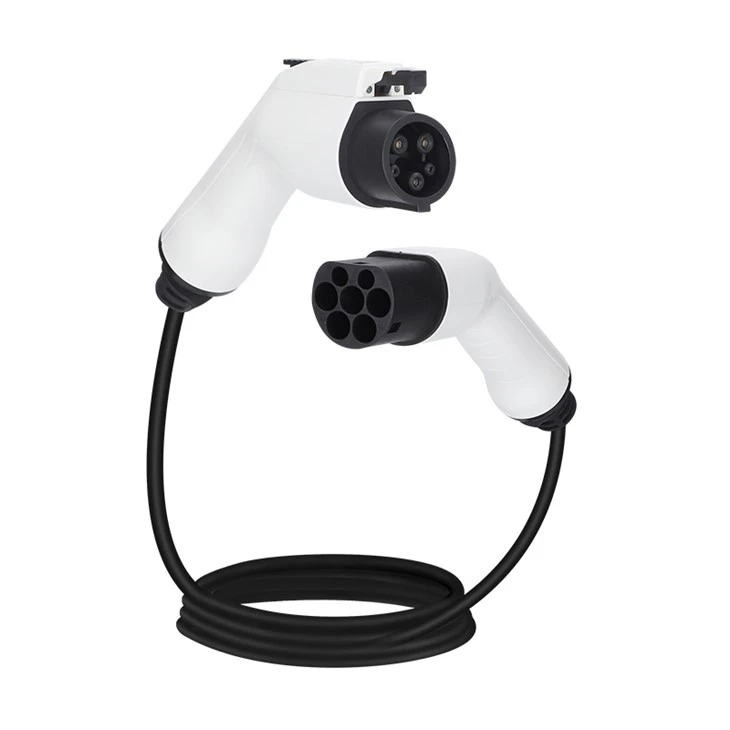
Our Type 2 Charging Cable 10m is a popular choice. It's designed with a high - quality shield to ensure reliable charging performance. Whether you're charging at home or at a public charging station, this cable provides the protection you need against EMI.
We also have EV Home Charging Cable options. These cables are specifically designed for home use, with features like easy installation and flexibility. The shielded design ensures that your home charging setup is safe and efficient.
Conclusion
The shielded design of an EV charging cable is crucial for maintaining signal integrity, ensuring safety, and complying with industry standards. It protects the charging system from electromagnetic interference, which can cause all sorts of problems.
If you're in the market for high - quality EV charging cables, we've got you covered. Our shielded cables are designed and manufactured to the highest standards, providing you with reliable and safe charging solutions.
If you're interested in our products or have any questions about our EV charging cables, don't hesitate to reach out. We're here to help you find the right cable for your needs and ensure that your EV charging experience is smooth and hassle - free.
References
- International Electrotechnical Commission (IEC) standards on EV charging equipment.
- Society of Automotive Engineers (SAE) standards related to electric vehicle charging.
- Industry research reports on electromagnetic interference in electrical systems.