

Hey there! As a supplier of DC EV chargers for home use, I often get asked about the certification requirements for these chargers. It's a crucial topic, especially for homeowners looking to install a DC EV Charger Home and for us in the industry. So, let's dive right in and break down what you need to know.
Understanding the Basics of Certification
Certifications for DC home EV chargers are like a stamp of approval. They ensure that the charger meets certain safety, performance, and quality standards. These standards are set by various national and international organizations, and having the right certifications can give you peace of mind that your charger is reliable and safe to use.
Safety First: UL Certification
One of the most well - known certifications in the United States is the UL (Underwriters Laboratories) certification. UL tests products to make sure they meet strict safety standards. For a DC home EV charger, UL certification means that the charger has been tested for things like electrical safety, fire resistance, and protection against over - current and over - voltage.
When you're shopping for a Residential Dc Fast Charger, look for the UL label. It's a sign that the charger has passed rigorous testing and is less likely to pose a safety risk in your home. This is super important because EV chargers deal with high - voltage electricity, and any malfunction could be dangerous.
International Standards: IEC Certification
On an international level, the International Electrotechnical Commission (IEC) sets standards for electrical equipment, including EV chargers. The IEC 61851 standard, for example, covers the general requirements for electric vehicle conductive charging systems.
If you're in a country outside the US or if you're looking for a charger that can be used in multiple countries, an IEC - certified charger is a great option. It ensures that the charger is compatible with different electrical systems and meets global safety and performance standards.
Regional Requirements
In addition to the big - name certifications, there are also regional requirements. Some states or countries may have their own specific regulations for EV chargers. For example, California has its own set of rules regarding the installation and use of EV chargers to promote clean energy and reduce emissions.
Before you install a DC home EV charger, it's a good idea to check with your local government or utility company to see if there are any additional requirements. This can save you a lot of headaches down the road and ensure that your charger is fully compliant.
Why Certification Matters for Homeowners
As a homeowner, you might be wondering why all these certifications are such a big deal. Well, there are a few reasons.
Insurance and Warranty
Most insurance companies will only cover an EV charger if it's certified. That means if something goes wrong with your charger and it causes damage to your home or your vehicle, your insurance will step in to help pay for the repairs. Without certification, you could be left footing the bill.
Also, many manufacturers will only offer a warranty on a certified charger. A warranty gives you protection in case the charger breaks down or has a defect. So, by choosing a certified charger, you're getting an extra layer of security.
Compatibility and Performance
Certified chargers are more likely to be compatible with your vehicle. They're designed to work within the specifications set by the EV manufacturers, so you won't have any issues with charging speed or connectivity.
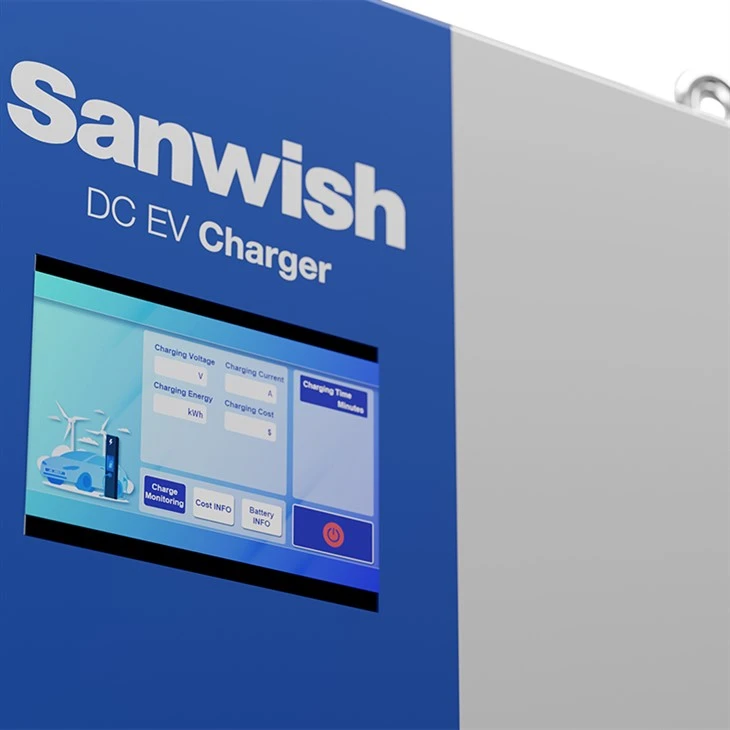

Plus, certified chargers are tested for performance. They're built to charge your vehicle efficiently and safely, which means you'll get the most out of your charging experience.
Our Company's Approach to Certification
At our company, we take certification very seriously. All of our 20kW Mobile DC EV Charger products are UL and IEC certified. We work closely with testing laboratories to ensure that our chargers meet or exceed all the necessary standards.
We understand that homeowners want a charger that they can trust, and certification is a big part of that. That's why we invest a lot of time and resources into making sure our chargers are not only safe and reliable but also compliant with all the relevant regulations.
How to Check for Certification
When you're shopping for a DC home EV charger, it's easy to check for certification. First, look for the certification labels on the charger itself or on the packaging. These labels usually include the name of the certification organization and the certification number.
You can also visit the websites of the certification organizations and search for the charger using the certification number. This will give you more detailed information about the charger's compliance and the specific tests it has passed.
The Future of Certification for DC Home EV Chargers
As the demand for EVs continues to grow, the certification requirements for DC home EV chargers are likely to become even more important. There may be new standards and regulations introduced to keep up with the latest technology and ensure the safety and performance of these chargers.
We're constantly keeping an eye on these developments and adapting our products accordingly. We want to make sure that we're always at the forefront of the industry and that our customers have access to the best - certified chargers on the market.
Contact Us for Your Charger Needs
If you're in the market for a DC home EV charger, we'd love to hear from you. Our team of experts can help you choose the right charger for your needs and answer any questions you may have about certification.
Whether you're a homeowner looking to install a charger for the first time or a business owner interested in our products, we're here to assist you. Just reach out to us, and we'll start the conversation about finding the perfect DC home EV charger for you.
References
- Underwriters Laboratories (UL) official documentation
- International Electrotechnical Commission (IEC) standards for EV chargers
- Local government and utility company regulations regarding EV chargers