

As a supplier of 22kw AC chargers, I've received numerous inquiries about the feasibility of using our chargers in shared parking areas. This topic is not only relevant but also crucial as the demand for electric vehicle (EV) charging solutions continues to surge. In this blog, I'll delve into the technical, practical, and economic aspects of deploying 22kw AC chargers in shared parking spaces.
Technical Feasibility
Power Supply Compatibility
One of the primary concerns when considering a 22kw AC charger in a shared parking area is the power supply. A 22kw charger typically operates at a three - phase power supply with a voltage of around 400V and a current of approximately 32A. Most modern shared parking facilities are equipped with a three - phase electrical infrastructure, which can support the power requirements of a 22kw charger. However, it's essential to conduct a thorough assessment of the existing electrical system's capacity. If the parking area has limited electrical capacity, installing a 22kw charger may overload the system, leading to power outages or safety hazards.
Charging Speed and Compatibility
The 22kw AC charger offers a relatively fast charging speed compared to lower - power chargers. For an average EV with a battery capacity of 60kWh, a 22kw charger can charge the battery from 0 to 100% in approximately 2.7 hours. This speed is suitable for shared parking areas where users may not have a long time to wait for their vehicles to charge. Moreover, most EVs on the market today are compatible with 22kw AC charging, ensuring that a wide range of users can benefit from the charger. You can find more information about our high - performance chargers on our Ac Fast Charger For Ev page.

Practical Considerations
Space Requirements
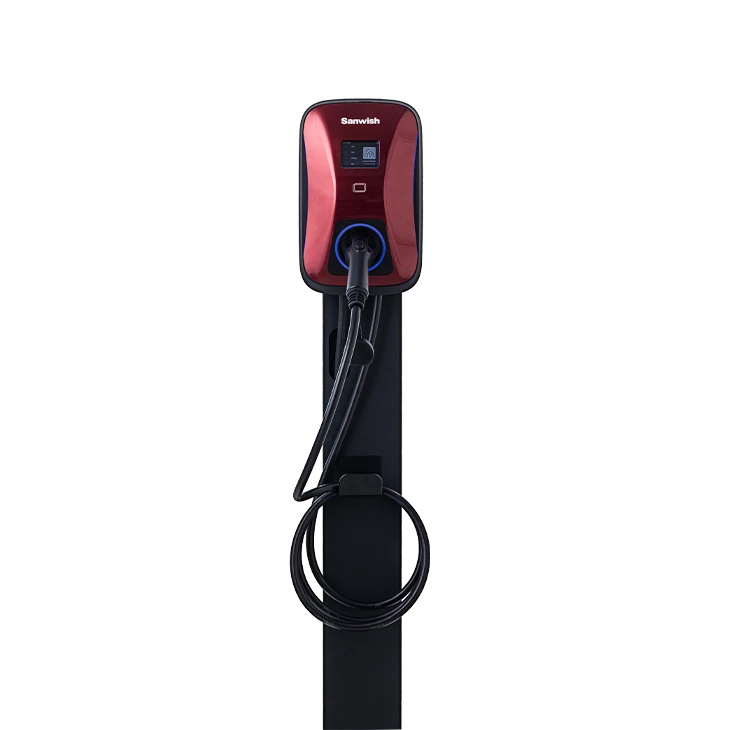
Shared parking areas often have limited space, and the installation of a 22kw AC charger needs to be carefully planned. The charger itself requires a certain amount of physical space for installation, and additional space should be allocated for cable management and user access. In some cases, the charger may need to be installed on a dedicated pedestal or wall - mounted, depending on the layout of the parking area. It's also important to ensure that the charger does not obstruct the normal flow of traffic or parking operations.
User Access and Management
In a shared parking area, multiple users may need to access the charger. Therefore, an effective access management system is essential. This can include a key - card system, mobile app - based access, or a payment - on - use model. The access management system should be user - friendly and secure to prevent unauthorized use of the charger. Additionally, clear signage should be provided to guide users on how to use the charger correctly and safely.
Economic Viability
Installation and Maintenance Costs
The installation cost of a 22kw AC charger in a shared parking area includes the cost of the charger itself, electrical installation, and any necessary infrastructure upgrades. While the initial investment may be significant, the long - term benefits can outweigh the costs. The maintenance cost of a 22kw AC charger is relatively low, mainly consisting of regular inspections, software updates, and occasional component replacements. You can explore our cost - effective AC Home Charger options, which also share some similarities in technology with our 22kw chargers.
Revenue Generation
A 22kw AC charger in a shared parking area can generate revenue through charging fees. The charging fee can be set based on the time of use, the amount of electricity consumed, or a combination of both. By offering a fast and reliable charging service, the parking area can attract more EV users, potentially increasing the overall revenue of the parking facility. Moreover, the installation of EV chargers can enhance the competitiveness of the shared parking area in the market.
Regulatory and Safety Aspects
Compliance with Regulations
Before installing a 22kw AC charger in a shared parking area, it's crucial to comply with all relevant local, national, and international regulations. These regulations may cover aspects such as electrical safety, installation standards, and environmental requirements. Failure to comply with these regulations can result in fines, legal issues, and safety risks.
Safety Features
Our 22kw AC chargers are equipped with a range of safety features to ensure the protection of users and the charger itself. These features include over - current protection, over - voltage protection, short - circuit protection, and ground - fault protection. Additionally, the charger has a built - in temperature sensor to prevent overheating. You can learn more about the safety features of our chargers on our AC EV Charging Station page.
Conclusion
In conclusion, a 22kw AC charger can be used in a shared parking area, provided that the technical, practical, economic, regulatory, and safety aspects are carefully considered. The charger offers a fast and convenient charging solution for EV users, and it has the potential to generate revenue for the parking facility. As a leading supplier of 22kw AC chargers, we have the expertise and experience to help you install and manage chargers in your shared parking area. If you're interested in purchasing our 22kw AC chargers or have any questions about their installation and operation, please don't hesitate to contact us for further discussion and procurement negotiation.
References
- International Electrotechnical Commission (IEC) standards for EV charging.
- Local electrical safety regulations for shared parking areas.
- Industry reports on the growth of EV charging infrastructure.