

As a supplier of DC chargers for home, I often encounter various inquiries from customers, one of the most common being whether a home DC charger can charge a drone battery. This question not only reflects the curiosity of consumers about the compatibility of different charging devices but also highlights the importance of understanding the technical specifications and safety requirements of charging equipment. In this blog post, I will delve into this topic, exploring the feasibility, potential challenges, and considerations when using a home DC charger to charge a drone battery.
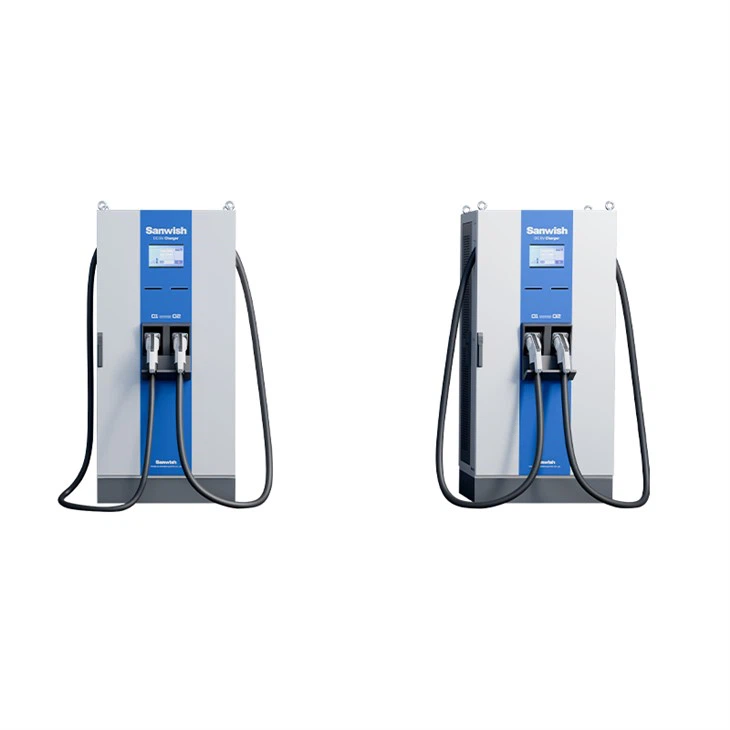

Understanding the Basics: DC Chargers and Drone Batteries
Before we can determine whether a home DC charger can charge a drone battery, it's essential to understand the basic principles of both devices. A DC charger, as the name suggests, provides direct current (DC) power to charge a battery. Home DC chargers are typically designed to charge electric vehicles (EVs) or other large - scale battery - powered devices, converting alternating current (AC) from the mains supply into DC power suitable for the battery.
On the other hand, drone batteries are usually lithium - polymer (Li - Po) or lithium - ion (Li - ion) batteries, which are known for their high energy density and lightweight characteristics. These batteries require a specific charging profile, including a regulated voltage and current, to ensure safe and efficient charging.
Compatibility Factors
Voltage and Current Requirements
The first and most crucial factor to consider is the voltage and current requirements of the drone battery. Drone batteries typically have a relatively low voltage, often ranging from 3.7V to 22.2V, depending on the number of cells in the battery pack. In contrast, home DC chargers are designed to provide higher voltages, usually in the range of 200V - 800V for EV charging. This significant difference in voltage levels means that a direct connection between a home DC charger and a drone battery is not possible without a proper voltage conversion device.
In addition to voltage, the current requirements also vary. Drone batteries usually require a relatively low charging current, typically in the range of 1 - 5A, to prevent overheating and damage to the battery. Home DC chargers, however, are capable of delivering much higher currents, sometimes exceeding 100A. Therefore, using a home DC charger directly to charge a drone battery can lead to overcharging, overheating, and potentially even a fire hazard.
Charging Protocol
Another important aspect is the charging protocol. Drone batteries often require a specific charging protocol, such as constant - current/constant - voltage (CC/CV) charging, to ensure optimal charging performance and battery life. Home DC chargers may not support these specialized charging protocols, which can result in improper charging and reduced battery lifespan.
Possible Solutions
Using a Voltage Converter
One possible solution is to use a voltage converter to step down the high voltage output of the home DC charger to a level suitable for the drone battery. A voltage converter can adjust the voltage and current to match the requirements of the drone battery, allowing for safe and efficient charging. However, it's important to choose a high - quality voltage converter that can provide stable and regulated power.
DIY Charging Setup
Some hobbyists may attempt to create a DIY charging setup using components from the home DC charger and additional electronic components. While this approach can be cost - effective, it requires a good understanding of electronics and electrical safety. Any mistakes in the DIY setup can lead to serious safety risks, so it's not recommended for those without sufficient technical knowledge.
Safety Considerations
Regardless of the method used to charge a drone battery with a home DC charger, safety should always be the top priority. Here are some safety considerations to keep in mind:
- Overcharging Protection: Ensure that the charging setup has overcharging protection to prevent the battery from being charged beyond its recommended voltage and capacity.
- Overheating Protection: Use a charging setup with overheating protection to prevent the battery from overheating during the charging process.
- Proper Ventilation: Charge the drone battery in a well - ventilated area to dissipate heat and reduce the risk of fire.
- Quality Components: Use high - quality components, such as voltage converters and charging cables, to ensure reliable and safe charging.
Our Products and Services
As a supplier of DC Charger for Home, we offer a wide range of high - quality DC chargers suitable for various applications. Our chargers are designed with advanced safety features and reliable performance to meet the needs of our customers.
In addition to home DC chargers, we also provide Commercial DC Fast Charger for commercial use and DC Electric Charging Stations for public charging infrastructure. Our products are compliant with international safety standards and are backed by our professional technical support team.
Conclusion and Call to Action
In conclusion, while it is technically possible to charge a drone battery with a home DC charger using a voltage converter or a DIY setup, it requires careful consideration of voltage, current, charging protocol, and safety factors. If you are unsure about the compatibility or safety of using a home DC charger to charge a drone battery, it's best to consult a professional or use a dedicated drone battery charger.
If you are interested in our DC chargers for home, commercial use, or public charging stations, please feel free to contact us for more information. We are always ready to provide you with the best products and services to meet your charging needs. Whether you are an individual consumer or a business owner, we can offer customized solutions to fit your specific requirements. Don't hesitate to reach out and start a discussion about your charging needs with us.
References
- Battery University: A comprehensive resource for battery knowledge, including information on lithium - ion and lithium - polymer batteries.
- IEEE Transactions on Industrial Electronics: Research papers on power electronics and charging technologies.
- National Fire Protection Association (NFPA) Standards: Guidelines for electrical safety and battery charging.