

As a supplier of DC level 3 chargers, I often receive inquiries about the suitability of our chargers in various environments. One question that frequently comes up is whether a DC level 3 charger can be used in areas with high altitude. In this blog post, I will delve into this topic, exploring the technical aspects, potential challenges, and solutions to ensure the reliable operation of our chargers in high - altitude regions.
Understanding DC Level 3 Chargers
DC level 3 chargers, also known as DC fast chargers, are designed to provide a high - power direct current to electric vehicle (EV) batteries. Unlike slower AC chargers, which convert AC power to DC within the vehicle, DC level 3 chargers supply DC power directly to the battery, significantly reducing charging time. This makes them ideal for long - distance travel and high - traffic charging stations.
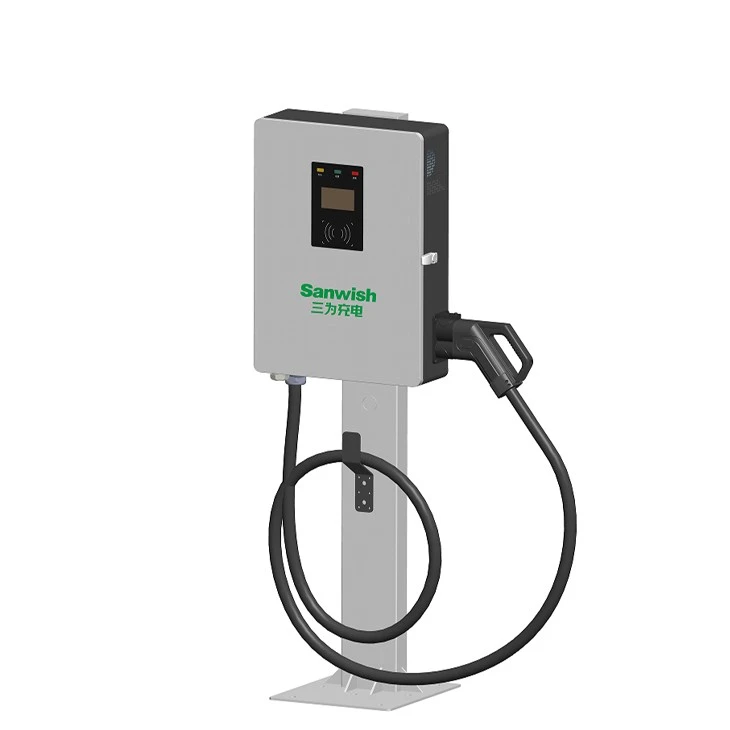
Our company offers a range of DC level 3 chargers, including Residential Dc Fast Charger, which are suitable for home use, and more powerful chargers for commercial applications. We also work closely with DC EV Charger Manufacturers to ensure the highest quality and performance of our products.
High - Altitude Environment Characteristics
High - altitude areas are characterized by lower air pressure, lower oxygen content, and greater temperature variations compared to sea - level regions. These environmental factors can have a significant impact on the performance and reliability of electrical equipment, including DC level 3 chargers.

Air Pressure and Insulation
At high altitudes, the air pressure is lower, which affects the dielectric strength of air. Dielectric strength refers to the maximum electric field that a material can withstand without breaking down and conducting electricity. In a DC level 3 charger, electrical components such as transformers, capacitors, and circuit breakers rely on air insulation to prevent electrical arcing and short - circuits.
As the air pressure decreases, the dielectric strength of air also decreases. This means that at high altitudes, there is a greater risk of electrical arcing between conductive parts, which can damage the charger and pose a safety hazard. To mitigate this risk, our chargers are designed with enhanced insulation materials and larger clearances between electrical components. This helps to maintain the necessary dielectric strength even in low - pressure environments.
Cooling and Heat Dissipation
Another challenge in high - altitude areas is cooling. DC level 3 chargers generate a significant amount of heat during operation, and efficient heat dissipation is crucial to prevent overheating and ensure reliable performance. At high altitudes, the lower air density reduces the convective heat transfer coefficient, which means that the air is less effective at carrying away heat from the charger.
To address this issue, our chargers are equipped with advanced cooling systems. For example, some of our models use liquid - cooling technology, which is more efficient than air - cooling and is less affected by air density changes. The liquid - cooling system circulates a coolant through the charger's components, absorbing heat and transferring it to a radiator, where it is dissipated into the environment.
Temperature Variations
High - altitude regions often experience large temperature variations between day and night. Extreme cold can affect the performance of electronic components, such as batteries and capacitors, while high temperatures can increase the risk of overheating.
Our chargers are designed to operate within a wide temperature range. They are equipped with temperature sensors and thermal management systems that can adjust the charging process based on the ambient temperature. For example, in cold weather, the charger can pre - heat the battery to optimize charging efficiency, while in hot weather, it can reduce the charging power to prevent overheating.
Case Studies: Using DC Level 3 Chargers in High - Altitude Areas
We have had several successful installations of our CCS DC Fast Charger in high - altitude areas. One such installation was in a mountainous region at an altitude of over 3000 meters. The charger was installed at a rest stop along a popular tourist route, providing a convenient charging solution for EV drivers.
Before the installation, we conducted a detailed site assessment to understand the specific environmental conditions. Based on the assessment, we customized the charger with additional insulation and a more robust cooling system. After the installation, the charger has been operating reliably, providing fast and efficient charging services to EV drivers.
Testing and Certification
To ensure the safety and performance of our chargers in high - altitude environments, we conduct extensive testing. Our chargers are tested in environmental chambers that can simulate high - altitude conditions, including low air pressure, low oxygen content, and extreme temperatures.
In addition to in - house testing, our chargers also comply with international standards and certifications, such as IEC (International Electrotechnical Commission) standards. These standards ensure that our chargers meet the highest safety and performance requirements, even in challenging environments.
Conclusion
In conclusion, a DC level 3 charger can be used in areas with high altitude, but it requires careful design and engineering to overcome the challenges posed by the high - altitude environment. Our company, as a leading supplier of DC level 3 chargers, has the expertise and experience to provide reliable charging solutions for high - altitude regions.
If you are interested in purchasing DC level 3 chargers for high - altitude areas or any other location, we invite you to contact us for a detailed consultation. Our team of experts can help you select the right charger for your needs and provide you with all the necessary support and guidance.
References
- IEC 61851 - 23: Electric vehicle conductive charging system - Part 23: DC charging of electric vehicles
- "High - Altitude Effects on Electrical Equipment" - IEEE Transactions on Industry Applications