

As a supplier of home wallbox chargers, I've witnessed firsthand the growing demand for efficient and intelligent charging solutions as more and more people embrace electric vehicles (EVs). One of the most critical aspects of home charging is how the wallbox charger manages power distribution during peak hours. In this blog, I'll delve into the science and technology behind it, sharing insights from our experience in the industry.
Understanding Peak Hours and Their Impact on Home Charging
Peak hours refer to the periods of the day when electricity demand is at its highest. These times typically occur in the early evening when people return home from work, turn on lights, appliances, and start charging their EVs. During these peak periods, the grid faces increased stress, and electricity prices are often higher.
For home wallbox charger users, peak hours can pose challenges. If multiple high - power devices, including the wallbox charger, are running simultaneously, it can lead to overloading the home's electrical system. Additionally, charging during peak hours can result in higher electricity costs for the user. Therefore, effective power distribution management is essential.
How Home Wallbox Chargers Manage Power Distribution
Smart Scheduling
One of the primary ways our Home Wallbox Charger manages power distribution is through smart scheduling. The charger is equipped with advanced software that allows users to set charging times according to their preferences and electricity tariffs. For example, users can program the charger to start charging during off - peak hours when electricity is cheaper and the grid is less congested.
This smart scheduling feature is not only beneficial for the user's wallet but also for the overall stability of the grid. By shifting the charging load to off - peak hours, the demand on the grid during peak times is reduced, helping to balance the electricity supply and demand.
Load Management
Our wallbox chargers are also designed with load management capabilities. Load management is the process of adjusting the charging power of the wallbox charger based on the available power in the home's electrical system. When other high - power appliances are in use, the charger can automatically reduce its charging power to avoid overloading the system.
For instance, if a user starts running a high - power air conditioner while the EV is charging, the wallbox charger will detect the increased load on the electrical system and adjust its charging rate accordingly. This ensures that the home's electrical system remains stable and safe, preventing potential electrical hazards.

Integration with Home Energy Management Systems
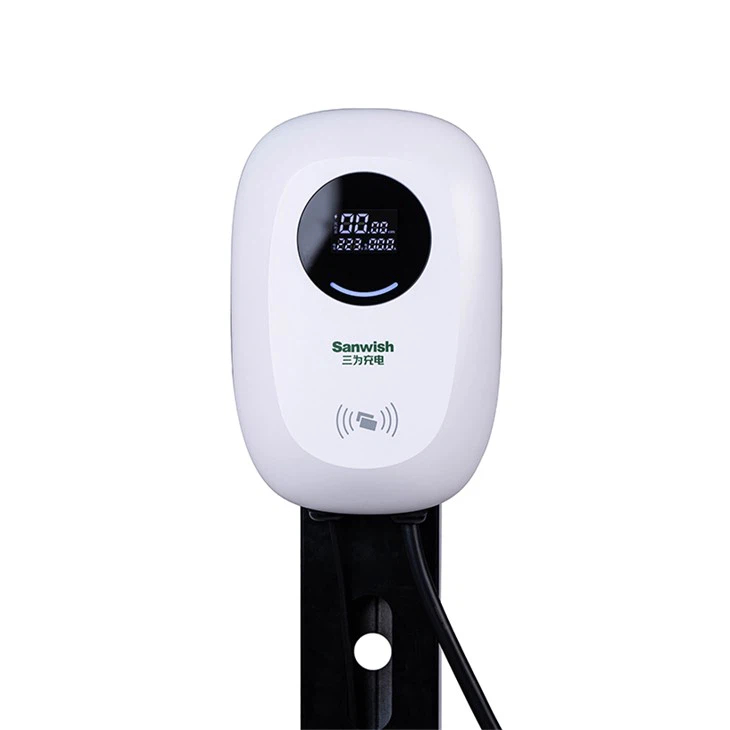
To further optimize power distribution, our Ev Charging Station Wallbox can be integrated with home energy management systems (HEMS). HEMS allows users to monitor and control all their home's energy - consuming devices, including the wallbox charger, from a single interface.
When integrated with a HEMS, the wallbox charger can receive real - time information about the home's energy consumption and the electricity grid's status. Based on this information, the charger can make intelligent decisions about when and how much to charge the EV. For example, if the HEMS detects that the home is generating excess solar power, the charger can increase its charging rate to utilize this free and clean energy.
The Role of OCPP in Power Distribution Management
Our Wallbox Ocpp Enabled Charger comes with Open Charge Point Protocol (OCPP) support. OCPP is an open standard communication protocol that enables communication between charging stations and central management systems.
With OCPP, our wallbox chargers can communicate with the grid operator or a charging network operator. This communication allows for more sophisticated power distribution management. For example, the grid operator can send signals to the charger during peak hours, instructing it to reduce its charging power or even pause charging temporarily. In return, the user may receive incentives such as lower electricity tariffs or rebates for participating in such demand - response programs.
Benefits of Efficient Power Distribution Management
Cost Savings
By managing power distribution effectively, users can significantly reduce their electricity costs. Charging during off - peak hours and utilizing excess solar power can lead to substantial savings over time. Additionally, load management helps to prevent overloading the home's electrical system, which can avoid costly repairs and maintenance.
Grid Stability
Efficient power distribution management at the home level contributes to the overall stability of the electricity grid. By reducing the demand during peak hours, the grid is less likely to experience overloads and blackouts. This is especially important as the number of EVs on the road continues to grow, and the demand for electricity for charging increases.
Environmental Sustainability
When wallbox chargers are able to utilize renewable energy sources such as solar power, it reduces the reliance on fossil - fuel - based electricity generation. This not only helps to reduce greenhouse gas emissions but also promotes a more sustainable and clean energy future.
Contact Us for Your Home Wallbox Charger Needs
If you're interested in learning more about our home wallbox chargers and how they can effectively manage power distribution during peak hours, we'd love to hear from you. Our team of experts is ready to provide you with detailed information, answer your questions, and assist you in choosing the right charger for your needs. Whether you're a homeowner looking to install a charger for your personal EV or a business owner interested in a fleet charging solution, we have the products and expertise to meet your requirements.
References
- Smith, J. (2022). Electric Vehicle Charging Infrastructure: Challenges and Solutions. Journal of Sustainable Energy, 15(2), 123 - 135.
- Brown, A. (2023). The Role of Smart Charging in Grid Integration of Electric Vehicles. Energy Policy, 45, 234 - 245.
- Green, C. (2021). Load Management Strategies for Home Electric Vehicle Chargers. International Journal of Electrical Engineering, 20(3), 345 - 356.