

As a supplier of 7.2 kW AC chargers, I often get asked whether a 7.2 kW AC charger is suitable for commercial use. This is a crucial question that many business owners, fleet managers, and property developers grapple with when considering electric vehicle (EV) charging solutions for their commercial spaces. In this blog, I'll delve into the various aspects of using a 7.2 kW AC charger in a commercial setting, weighing its pros and cons to help you make an informed decision.
Understanding the Basics of a 7.2 kW AC Charger
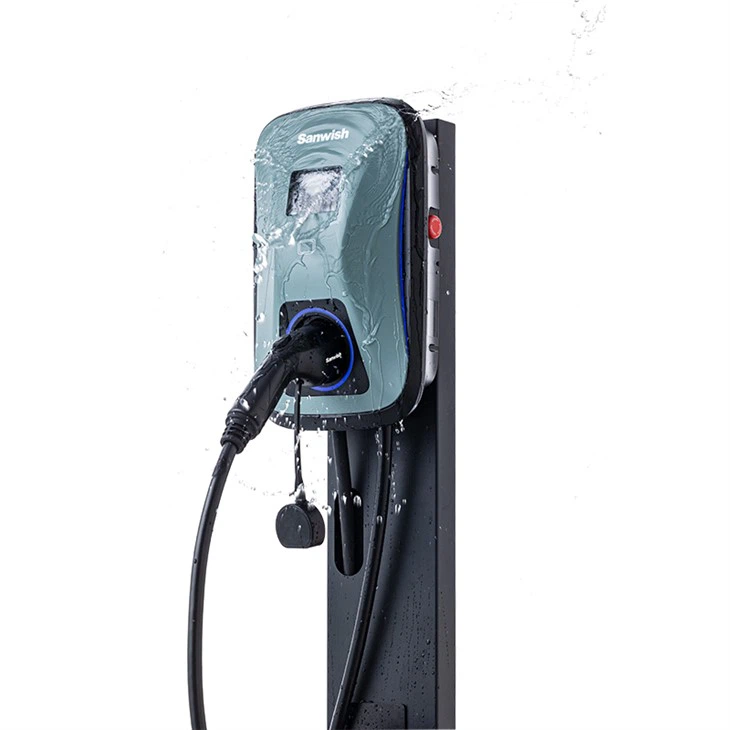
Before we jump into the commercial viability, let's understand what a 7.2 kW AC charger is. Alternating current (AC) chargers are the most common type of EV chargers. They work by converting the AC power from the grid into DC power to charge the vehicle's battery. A 7.2 kW AC charger can deliver up to 7.2 kilowatts of power to the EV, which is a mid - range option in the AC charging spectrum.
Advantages of Using a 7.2 kW AC Charger for Commercial Use
Cost - Effectiveness
One of the most significant advantages of a 7.2 kW AC charger is its cost - effectiveness. Compared to higher - power chargers, such as DC fast chargers, 7.2 kW AC chargers are much more affordable to purchase and install. For businesses on a budget, this can be a game - changer. They require less complex electrical infrastructure, which means lower installation costs. You won't need to invest in heavy - duty electrical upgrades, such as high - capacity transformers or dedicated electrical panels, which can save a substantial amount of money.
Compatibility
Most electric vehicles on the market today are compatible with 7.2 kW AC chargers. Whether it's a small city car or a larger SUV, these chargers can provide a reliable charging solution. This wide compatibility makes it a practical choice for commercial settings where there may be a diverse range of EVs charging. It ensures that you can cater to a larger customer base without worrying about compatibility issues.
Suitable for Extended Parking Times
Commercial spaces like shopping malls, hotels, and office buildings often have customers or employees who park their vehicles for extended periods. A 7.2 kW AC charger is well - suited for these scenarios. While it may not charge as quickly as a high - power DC charger, it can gradually charge the vehicle over several hours. For example, if a customer parks their car at a shopping mall for a few hours while shopping, a 7.2 kW charger can add a significant amount of range to their vehicle.
Lower Power Consumption
From an energy management perspective, 7.2 kW AC chargers consume less power compared to high - power chargers. This can be beneficial for businesses looking to manage their electricity costs and reduce their carbon footprint. Additionally, lower power consumption means less strain on the local electrical grid, which is an important consideration for areas with limited grid capacity.
Limitations of Using a 7.2 kW AC Charger for Commercial Use
Longer Charging Times
The most obvious limitation of a 7.2 kW AC charger is its relatively long charging time. If your commercial establishment caters to customers who need a quick top - up, such as a gas station or a highway rest stop, a 7.2 kW charger may not be the best option. For example, a fully depleted EV battery may take several hours to fully charge using a 7.2 kW charger, which may not be acceptable for customers on a tight schedule.

Limited Range Addition
In some cases, the amount of range added by a 7.2 kW charger in a short period may be limited. This can be a drawback for businesses that want to offer a high - level of service and attract EV owners. For instance, if a customer only has 30 minutes to charge their vehicle, a 7.2 kW charger may not add enough range to make it worthwhile.
Use Cases Where a 7.2 kW AC Charger Shines in Commercial Settings
Office Buildings
Office buildings are an ideal location for 7.2 kW AC chargers. Employees typically park their cars for 8 - 10 hours during the workday. A 7.2 kW charger can fully charge most EVs during this time, ensuring that employees leave work with a fully charged vehicle. It also provides a valuable amenity for employees, which can enhance employee satisfaction and recruitment.
Shopping Malls
Shopping malls usually have customers who spend a few hours shopping. A 7.2 kW charger can add a significant amount of range to their vehicle while they shop. It can also be a competitive advantage for malls, attracting EV - owning customers who are more likely to choose a mall that offers charging facilities.
Hotels
Hotels are another great place for 7.2 kW AC chargers. Guests often stay overnight, giving the charger plenty of time to charge their vehicles. This can be a selling point for hotels, especially as more people switch to EVs. It shows that the hotel is forward - thinking and environmentally conscious.
Comparing with Other Chargers
Against 11 kW AC Chargers
When compared to 11kW AC Chargers, 7.2 kW chargers are less powerful. The 11 kW chargers can charge EVs faster, which can be an advantage in some commercial settings. However, 11 kW chargers are also more expensive to purchase and install. They may require more substantial electrical upgrades, which can be a deterrent for some businesses. If your commercial space doesn't require extremely fast charging and you're on a budget, a 7.2 kW charger may be the better option.
Against DC Fast Chargers
DC fast chargers are much more powerful than 7.2 kW AC chargers. They can charge an EV to 80% in as little as 30 minutes. However, they are extremely expensive to purchase and install. They also require a high - capacity electrical supply, which may not be available in all areas. For businesses that need to provide quick charging for customers on the go, DC fast chargers are a better choice. But for most commercial settings where extended parking times are common, a 7.2 kW AC charger can be a more practical and cost - effective solution.
Conclusion
In conclusion, a 7.2 kW AC charger can be a suitable option for many commercial applications. Its cost - effectiveness, wide compatibility, and suitability for extended parking times make it a practical choice for office buildings, shopping malls, hotels, and other similar locations. However, it's important to consider the specific needs of your business and your customers. If quick charging is a priority, you may need to explore other options such as 11kW AC Chargers or DC fast chargers.
If you're considering installing EV chargers in your commercial space and want to learn more about our 7.2 kW AC chargers, or if you have any questions about which charger is right for your business, I encourage you to reach out. We can provide you with detailed information and help you make the best decision for your commercial charging needs. You can also explore our AC EV Charging Station and AC Home Charger options on our website.
References
- Electric Vehicle Charging Infrastructure Handbook, International Energy Agency
- EV Charging Technologies and Market Trends Report, Navigant Research