

When it comes to using an AC home charger to power medical devices, there are several crucial requirements that need to be taken into account. As a prominent supplier of AC home chargers, we understand the significance of providing reliable and safe charging solutions for medical equipment. In this blog post, we will delve into the essential requirements for using an AC home charger to charge a medical device, ensuring both safety and optimal performance.
Electrical Compatibility
One of the fundamental requirements is ensuring electrical compatibility between the AC home charger and the medical device. Medical devices are often designed to operate within specific voltage and current ranges. Therefore, it is imperative to select an AC charger that can provide the appropriate power output. Our company offers a range of chargers with different power capacities, such as the 22kW AC Charger and the 11kW AC Charger, which can be tailored to meet the diverse needs of medical devices.
The voltage output of the charger should match the input voltage requirements of the medical device. Any deviation from this can lead to malfunctions, reduced performance, or even damage to the device. Most medical devices in residential settings are designed to work with standard household electrical voltages, typically 110 - 240V AC. Our chargers are engineered to support a wide range of input voltages, ensuring compatibility with various electrical systems around the world.
Safety Standards
Safety is of utmost importance when charging medical devices. Medical equipment is often critical for patient health and well - being, so any charger used must adhere to strict safety standards. Our AC home chargers are rigorously tested and certified to comply with international safety standards such as IEC 60601 - 1, which is specifically designed for medical electrical equipment.
These standards cover aspects such as electrical insulation, grounding, and protection against electric shock. For example, the charger should have proper insulation to prevent any leakage of electrical current, which could be extremely dangerous for patients or operators. Additionally, it should have effective grounding mechanisms to redirect any stray currents safely to the ground.
Over - current and over - voltage protection are also essential features. An over - current situation can occur if there is a short - circuit in the medical device or a fault in the charging process. Our chargers are equipped with built - in protection circuits that can detect such abnormal conditions and automatically cut off the power supply to prevent damage to the device and ensure safety. Similarly, over - voltage protection safeguards the medical device from excessive voltage, which could cause component failure.
Charging Speed and Efficiency
The charging speed of the AC home charger is another important consideration. Medical devices may need to be charged quickly, especially in emergency situations. However, the charging speed should be balanced with the device's battery requirements. Charging too fast can generate excessive heat, which can degrade the battery's lifespan and performance.
Our chargers are designed to optimize charging speed while maintaining battery health. They use advanced charging algorithms that can adjust the charging current and voltage based on the battery's state of charge. For example, when the battery is nearly empty, the charger can provide a relatively high current to charge it quickly. As the battery approaches full charge, the charger reduces the current to a trickle charge to prevent overcharging.
Efficiency is also crucial, as it not only reduces energy consumption but also minimizes heat generation. Our chargers are highly efficient, converting a large proportion of the input electrical energy into usable charging power for the medical device. This not only saves on electricity costs but also helps to maintain a stable and safe operating temperature.

Environmental Considerations
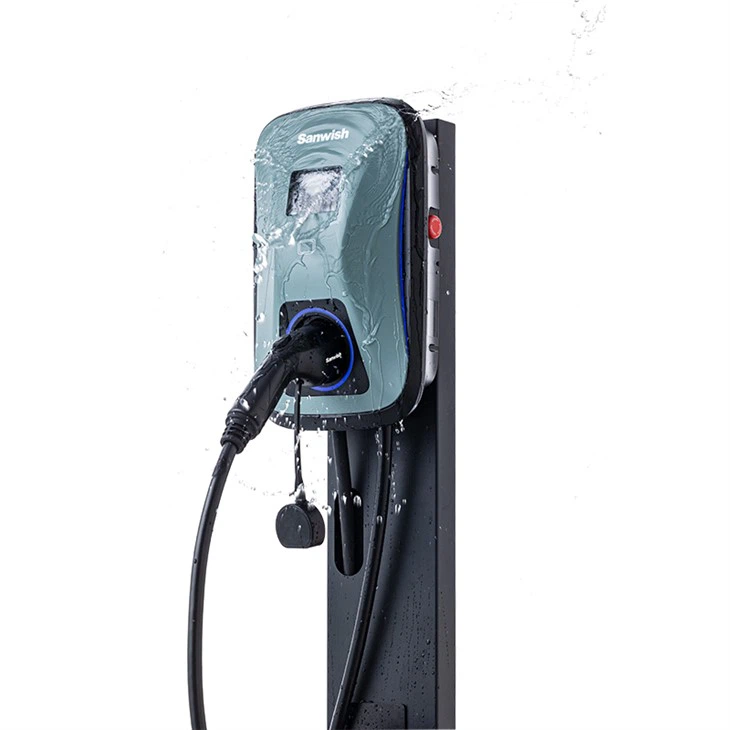
Medical devices are often used in various environmental conditions, and the AC home charger should be able to withstand these conditions. For example, in a hospital or home care setting, the charger may be exposed to humidity, dust, or temperature variations.
Our chargers are designed with environmental durability in mind. They are housed in robust enclosures that provide protection against dust and moisture. The internal components are also selected and designed to operate within a wide temperature range, ensuring reliable performance in different climates.
Compatibility with Medical Device Battery Technology
Medical devices use different types of batteries, such as lithium - ion, lead - acid, and nickel - metal hydride. Each battery type has its own charging requirements. For example, lithium - ion batteries require a specific charging profile to prevent overcharging and ensure long - term battery health.
Our AC home chargers are designed to be compatible with a variety of battery technologies. They can be configured or are pre - programmed to provide the appropriate charging profile for different battery types. This ensures that the medical device's battery is charged safely and efficiently, maximizing its lifespan and performance.
Monitoring and Communication
In some cases, it may be necessary to monitor the charging process of the medical device. This can be useful for ensuring that the device is charging correctly, detecting any faults, and predicting battery life. Our advanced chargers are equipped with monitoring capabilities that can provide real - time information about the charging status, such as the battery's state of charge, charging current, and voltage.
Some of our chargers also support communication interfaces, such as USB or Bluetooth. This allows the charger to be connected to a computer or a mobile device, enabling remote monitoring and control. Healthcare providers or patients can use dedicated software to access the charging data and make informed decisions about the device's usage and maintenance.
Regulatory Compliance
In addition to safety standards, AC home chargers used for medical devices must comply with relevant regulatory requirements. Different countries and regions have their own regulations regarding the use of electrical equipment in medical settings. Our chargers are designed and manufactured to meet these regulatory requirements, ensuring that they can be used legally and safely in various markets.
Conclusion
Using an AC home charger to charge a medical device requires careful consideration of several factors, including electrical compatibility, safety standards, charging speed, environmental durability, battery technology compatibility, monitoring capabilities, and regulatory compliance. As a leading supplier of AC home chargers, we offer a comprehensive range of products, including the AC EV Charging Station, that are designed to meet these requirements and provide reliable and safe charging solutions for medical devices.
If you are in the market for high - quality AC home chargers for your medical devices, we invite you to contact us for more information and to discuss your specific needs. Our team of experts is ready to assist you in selecting the most suitable charger for your application.
References
- IEC 60601 - 1: Medical electrical equipment - Part 1: General requirements for basic safety and essential performance.
- Battery charging standards and guidelines for different battery technologies.
- National and international regulatory requirements for electrical equipment used in medical settings.