

The electric vehicle (EV) market has witnessed remarkable growth in recent years, driven by increasing environmental awareness, government incentives, and advancements in battery technology. As the adoption of EVs continues to soar, the demand for efficient and rapid charging solutions has become paramount. DC home EV chargers have emerged as a popular choice for EV owners, offering significantly faster charging speeds compared to traditional AC chargers. In this blog post, we will delve into the charging speed of DC home EV chargers, exploring the factors that influence it and why it matters for EV owners.
Understanding DC Charging
Before we dive into the charging speed of DC home EV chargers, it's essential to understand the difference between DC (direct current) and AC (alternating current) charging. Most EVs are equipped with an on - board charger that converts AC power from the grid into DC power to charge the vehicle's battery. AC chargers are commonly found in residential settings and public charging stations, and they typically offer slower charging speeds.

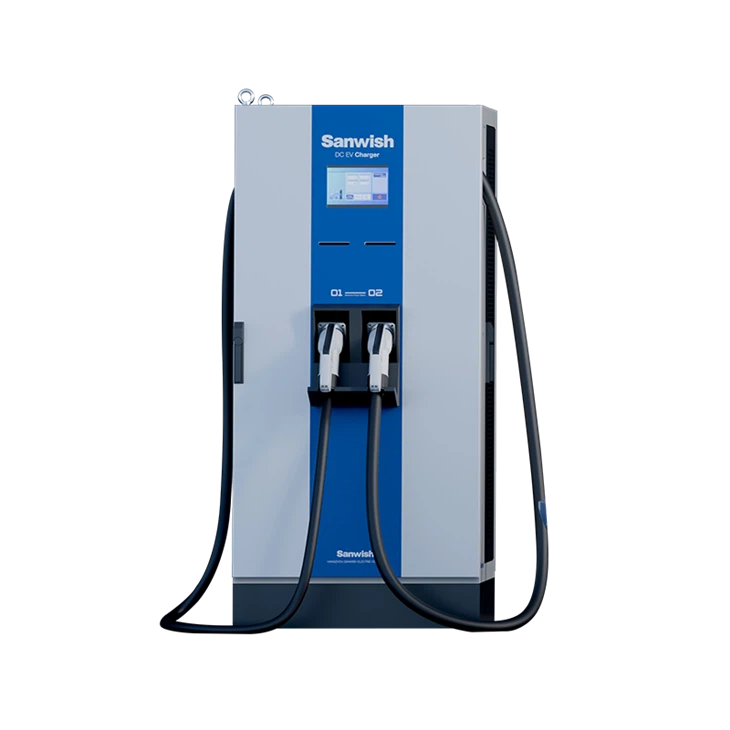
On the other hand, DC chargers bypass the on - board charger and deliver DC power directly to the vehicle's battery. This direct connection allows for much faster charging times, making DC chargers ideal for situations where you need to top up your battery quickly.
Factors Affecting the Charging Speed of DC Home EV Chargers
The charging speed of a DC home EV charger is influenced by several key factors:
1. Charger Power Rating
The power rating of a DC home EV charger, measured in kilowatts (kW), is one of the most significant factors affecting charging speed. Higher - power chargers can deliver more energy to the vehicle's battery in a shorter period. For example, a 50 kW DC charger will charge an EV faster than a 25 kW charger. As a DC EV charger home supplier, we offer a range of chargers with different power ratings to meet the diverse needs of our customers. You can explore our Fast DC Charger for Ev options to find the one that suits your requirements.
2. Battery Capacity and State of Charge
The capacity of the EV's battery, measured in kilowatt - hours (kWh), also plays a crucial role in charging speed. Larger - capacity batteries take longer to charge than smaller ones, even with a high - power charger. Additionally, the state of charge (SOC) of the battery affects the charging speed. Charging is typically fastest when the battery is at a low SOC and slows down as the battery approaches full capacity. This is a safety mechanism designed to protect the battery from overheating and damage.
3. Vehicle Compatibility
Not all EVs are compatible with all DC chargers. The charging speed also depends on the vehicle's ability to accept a certain amount of power. Some older EV models may have a lower maximum charging rate, which means they won't be able to take full advantage of a high - power DC charger. It's important to check your vehicle's specifications to ensure compatibility with the charger you choose. Our team can assist you in selecting a Best DC Fast Charger that is compatible with your specific EV model.
4. Temperature
Temperature has a significant impact on battery performance and charging speed. Extreme cold or hot temperatures can reduce the battery's ability to accept a charge, resulting in slower charging times. Most modern EVs have thermal management systems to regulate the battery temperature, but it's still something to consider, especially in regions with harsh climates.
Typical Charging Speeds of DC Home EV Chargers
The charging speed of DC home EV chargers can vary widely depending on the factors mentioned above. However, we can provide some general guidelines:
- Low - power DC chargers (25 - 50 kW): These chargers can typically add around 100 - 200 miles of range to an EV in about 30 - 60 minutes. They are a good option for home use if you don't need extremely fast charging and want to balance cost and performance.
- Medium - power DC chargers (50 - 100 kW): With a medium - power charger, you can expect to add 200 - 300 miles of range in 20 - 30 minutes. This is a popular choice for many EV owners who want a faster charging solution at home.
- High - power DC chargers (100+ kW): High - power chargers can charge an EV very quickly, adding 300+ miles of range in as little as 15 - 20 minutes. These chargers are more expensive but are ideal for those who need to charge their vehicles rapidly, such as long - distance travelers.
Why Charging Speed Matters for EV Owners
Fast charging speeds offer several benefits for EV owners:
1. Convenience
One of the main advantages of fast - charging DC home EV chargers is convenience. With a high - speed charger, you can spend less time waiting for your vehicle to charge and more time on the road. This is especially important for busy individuals who rely on their EVs for daily commuting or long - distance travel.
2. Range Anxiety Reduction
Range anxiety, the fear of running out of battery power before reaching a charging station, is a common concern among EV owners. Fast - charging DC home chargers can help alleviate this anxiety by allowing you to quickly top up your battery when needed. Knowing that you can charge your vehicle rapidly gives you the confidence to take longer trips without worrying about being stranded.
3. Increased Productivity
For commercial EV users, such as delivery drivers or ride - sharing services, fast charging means increased productivity. Less time spent charging translates to more time on the road, making more deliveries or picking up more passengers. Our Commercial DC Fast Charger solutions are designed to meet the high - demand charging needs of commercial fleets.
Conclusion
The charging speed of a DC home EV charger is a critical factor to consider when choosing a charging solution for your electric vehicle. It is influenced by factors such as charger power rating, battery capacity, vehicle compatibility, and temperature. As a leading DC EV charger home supplier, we offer a wide range of chargers with different power ratings to meet the diverse needs of our customers. Whether you are a daily commuter, a long - distance traveler, or a commercial fleet operator, we have the right charger for you.
If you are interested in learning more about our DC home EV chargers or would like to discuss your specific charging requirements, we invite you to contact us for a procurement discussion. Our team of experts is ready to assist you in selecting the best charger for your EV and ensuring a seamless charging experience.
References
- Electric Vehicle Charging Infrastructure Handbook, U.S. Department of Energy
- Electric Vehicle Battery Technology and Charging Standards, International Energy Agency