

Can a CCS DC fast charger be used for electric buses? That's a question I get asked a lot as a supplier of CCS DC fast chargers. In this blog post, I'll dive into this topic, looking at the technical aspects, practical considerations, and the potential of using CCS DC fast chargers for electric buses.
Let's start with the basics. CCS, or Combined Charging System, is a standard for DC fast charging that combines the AC charging pins with two additional DC charging pins. It's widely used for electric cars and has become a go - to standard in many regions. But can it work for electric buses?
Technical Feasibility
From a technical perspective, there are a few key factors to consider. First, power output. Electric buses typically have much larger battery capacities compared to electric cars. For example, an average electric car might have a battery capacity of around 40 - 100 kWh, while an electric bus can have a battery capacity ranging from 200 kWh to over 600 kWh. This means that to charge an electric bus in a reasonable amount of time, a charger needs to deliver a high power output.
Most CCS DC fast chargers for cars can provide power outputs in the range of 50 - 350 kW. There are also high - power CCS chargers that can go up to 400 kW or more. Some of these high - power chargers have the potential to be used for electric buses. However, it's important to note that the charging infrastructure needs to be upgraded to handle such high power levels. The electrical grid connection, the charging cables, and the charging station itself need to be designed to safely and efficiently deliver this power.
Another technical aspect is the charging protocol. CCS chargers use a specific communication protocol to communicate with the vehicle's battery management system (BMS). This protocol ensures that the charger and the vehicle can exchange information about the battery's state of charge, temperature, and other parameters. Electric buses also have their own BMS, and it needs to be compatible with the CCS charging protocol. In most cases, modern electric buses can be equipped with a CCS - compatible BMS, which makes it possible to use a CCS DC fast charger.
Practical Considerations
When it comes to practical use, there are several factors that need to be taken into account. One of the main considerations is the charging time. Electric buses operate on tight schedules, and any downtime for charging can disrupt the service. While a CCS DC fast charger can significantly reduce the charging time compared to a slow AC charger, it might still not be fast enough for some bus routes.
For example, if a bus has a long - distance route with multiple stops and a short turnaround time at the depot, it might need to be charged very quickly. In such cases, other charging technologies like pantograph charging or opportunity charging at bus stops might be more suitable. Pantograph charging can deliver extremely high power levels in a short period, allowing the bus to charge while passengers are boarding or alighting.
On the other hand, if the bus has a more predictable route with longer breaks at the depot, a CCS DC fast charger can be a viable option. It can charge the bus during the breaks, ensuring that it's ready for the next trip.
Another practical consideration is the installation and maintenance of the charging infrastructure. Installing a CCS DC fast charger requires a significant investment in terms of equipment and electrical work. The charger needs to be installed in a suitable location, with proper ventilation and safety features. Additionally, regular maintenance is required to ensure that the charger operates efficiently and safely.
Advantages of Using CCS DC Fast Chargers for Electric Buses
Despite the challenges, there are several advantages to using CCS DC fast chargers for electric buses. One of the main advantages is the standardization. CCS is a widely recognized and adopted standard, which means that there are many charger manufacturers and suppliers in the market. This competition drives innovation and can lead to more cost - effective charging solutions.
If you're interested in learning more about the best DC fast chargers available in the market, you can check out this Best DC Fast Charger page. It provides detailed information about different types of chargers and their features.
Another advantage is the flexibility. CCS DC fast chargers can be used not only for electric buses but also for electric cars. This means that a single charging station can serve multiple types of electric vehicles, which is beneficial for public charging stations or depots that have a mix of electric cars and buses.
The ability to use the same charging infrastructure for different vehicles also simplifies the management and maintenance of the charging network. You can find more information about DC electric charging stations on this DC Electric Charging Stations page.
Challenges and Solutions
As mentioned earlier, one of the main challenges is the high power requirements of electric buses. To overcome this, charger manufacturers are constantly developing new technologies to increase the power output of CCS chargers. For example, some companies are working on liquid - cooled charging cables that can handle higher currents without overheating.
Another challenge is the compatibility with the bus's BMS. To address this, bus manufacturers and charger suppliers are working together to ensure that the BMS in electric buses is fully compatible with the CCS charging protocol. This might involve software updates or hardware modifications to the bus's charging system.
The cost of installation and maintenance is also a concern. However, as the demand for electric buses and charging infrastructure increases, economies of scale are expected to drive down the costs. Additionally, government incentives and subsidies are often available for the installation of electric vehicle charging infrastructure, which can help offset some of the initial investment.
The Future of CCS DC Fast Chargers for Electric Buses
The future looks promising for the use of CCS DC fast chargers for electric buses. As technology continues to evolve, we can expect to see even higher - power CCS chargers that can charge electric buses even faster. The development of smart charging systems will also make it possible to optimize the charging process, taking into account factors such as the bus's schedule, the state of the electrical grid, and the cost of electricity.
There are also efforts to expand the CCS standard to better meet the needs of electric buses. This might include improvements to the charging protocol, the power delivery capabilities, and the safety features.
If you're interested in the manufacturers of DC EV chargers, you can visit this DC EV Charger Manufacturers page to learn more about the companies driving the innovation in this field.
Conclusion
In conclusion, a CCS DC fast charger can be used for electric buses, but there are technical and practical considerations that need to be addressed. The high power requirements, the charging time, and the installation and maintenance costs are all factors that need to be carefully evaluated. However, the advantages of standardization, flexibility, and the potential for future technological advancements make CCS DC fast chargers a viable option for electric bus charging.
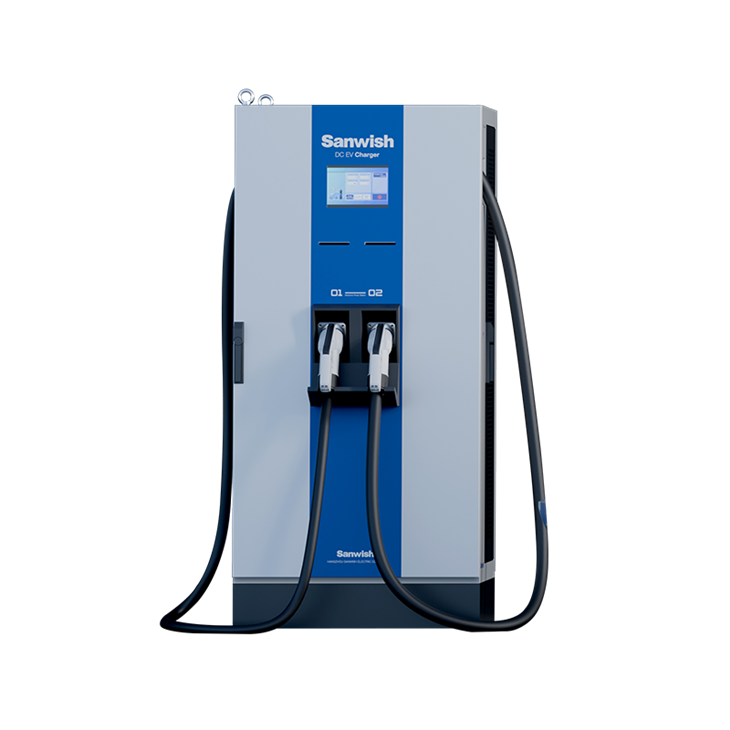

If you're in the market for a CCS DC fast charger for your electric buses or have any questions about our products, don't hesitate to reach out. We're here to help you find the best charging solution for your needs. Whether you're a bus operator, a depot manager, or involved in the development of electric vehicle infrastructure, we can provide you with the expertise and support you need.
References
- Smith, J. (2022). "Advancements in Electric Vehicle Charging Technologies". Journal of Sustainable Transportation.
- Brown, A. (2023). "The Future of Electric Buses and Charging Infrastructure". Electric Vehicle Review.