

As a supplier of DC super chargers, I often encounter concerns from electric vehicle (EV) owners about whether using a DC super charger can damage their EV's battery. This is a valid concern, as the battery is one of the most expensive and critical components of an EV. In this blog post, I'll delve into the science behind DC super charging and address this question based on current research and industry knowledge.
How DC Super Chargers Work
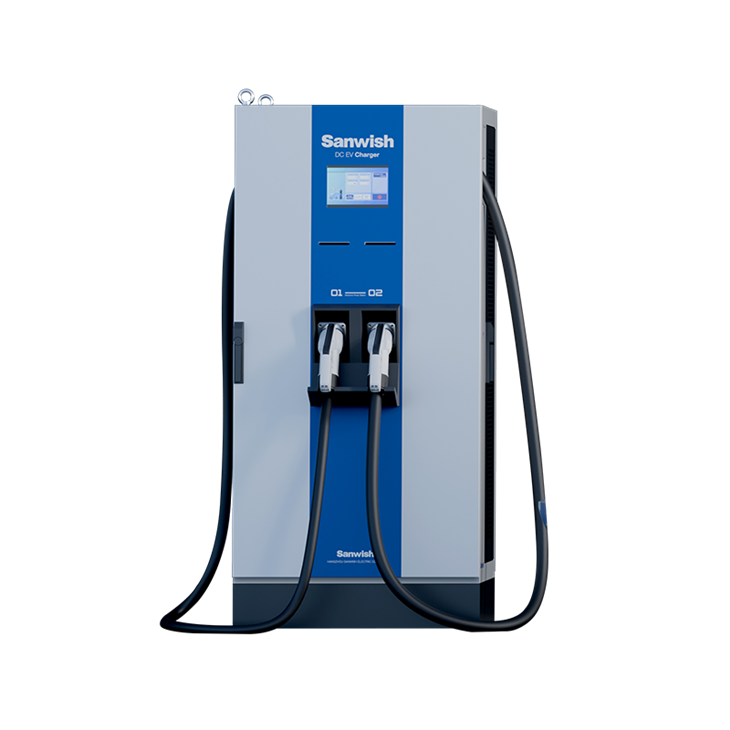
Before we discuss the potential impact on the battery, it's important to understand how DC super chargers operate. Unlike AC chargers, which convert alternating current from the grid to direct current within the vehicle's onboard charger, DC super chargers supply direct current directly to the battery. This bypasses the vehicle's onboard charger, allowing for much faster charging times.
DC super chargers can deliver high power levels, often ranging from 50 kW to over 350 kW. For example, our 20kW Mobile DC EV Charger provides a relatively high - power charging option that is also mobile, suitable for various charging scenarios. This high - power delivery is what enables EVs to charge from a low state of charge to a significant level in a short period, making long - distance travel more convenient.
Factors Affecting Battery Health During DC Super Charging
Several factors come into play when considering the impact of DC super charging on battery health:
Temperature
One of the main concerns with high - power charging is the heat generated. When a battery is charged at a high rate, the internal resistance of the battery causes it to heat up. Excessive heat can accelerate the degradation of the battery's electrodes and electrolyte, leading to a reduction in battery capacity over time.
However, modern EVs are equipped with thermal management systems. These systems help to keep the battery within an optimal temperature range during charging. For instance, liquid - cooled battery packs can dissipate heat effectively, reducing the risk of overheating. Our CCS DC Fast Charger is designed to work in harmony with the vehicle's thermal management system, ensuring that the charging process does not cause excessive temperature rise.
Charging Rate and State of Charge
The charging rate and the state of charge (SOC) of the battery also play a crucial role. Charging at a very high rate, especially when the battery is already at a high SOC, can be more stressful for the battery. When the battery is close to full, the lithium - ion intercalation process becomes more difficult, and high - power charging at this stage can lead to lithium plating on the anode. Lithium plating reduces the battery's capacity and can also pose a safety risk.

To mitigate this, most DC super chargers and EVs use a charging algorithm that adjusts the charging rate based on the SOC. As the battery approaches full charge, the charging rate gradually decreases. This way, the battery is protected from the potential damage associated with high - rate charging at high SOCs.
Battery Chemistry
Different battery chemistries have different tolerances for high - power charging. For example, lithium - iron - phosphate (LFP) batteries generally have a better tolerance for fast charging compared to nickel - cobalt - aluminum (NCA) or nickel - cobalt - manganese (NCM) batteries. The design and quality of the battery also matter. High - quality batteries with better electrode materials and construction are more likely to withstand the stress of DC super charging.
Research Findings on DC Super Charging and Battery Health
Numerous studies have been conducted to evaluate the long - term impact of DC super charging on EV batteries. Some research has shown that while frequent use of DC super chargers can lead to slightly faster battery degradation compared to slow AC charging, the difference is not as significant as some might expect.
For example, a study by a well - known automotive research institution found that after 50,000 miles of driving, EVs that were predominantly charged using DC super chargers had about 5 - 10% more battery capacity loss compared to those charged mainly with AC chargers. However, this difference is relatively small considering the convenience that DC super charging offers.
Our Approach as a DC Super Charger Supplier
At our company, we are committed to ensuring that our DC super chargers are designed to minimize the potential impact on EV batteries. Our DC Electric Charging Stations are equipped with advanced charging algorithms that optimize the charging process based on the battery's SOC, temperature, and other factors.
We also work closely with EV manufacturers to ensure compatibility. By understanding the specific requirements of different EV models, we can provide chargers that are tailored to the battery characteristics of each vehicle. This way, we can help EV owners enjoy the benefits of fast charging without sacrificing the long - term health of their batteries.
Conclusion: Can a DC Super Charger Damage My EV's Battery?
In general, when used correctly, DC super chargers are unlikely to cause significant damage to an EV's battery. Modern EVs and DC super chargers are designed with multiple safety and protection mechanisms to ensure that the charging process is as gentle on the battery as possible.
Occasional use of DC super chargers for long - distance travel or when in a hurry is perfectly fine. However, if an EV owner relies solely on DC super charging for all their charging needs, there may be a slightly faster rate of battery degradation over time. But this can be managed through proper use and by following the manufacturer's guidelines.
If you are an EV owner or an operator looking to invest in high - quality DC super chargers, we invite you to contact us for more information. Our team of experts can provide you with detailed product specifications and advice on how to choose the right charger for your needs. We are dedicated to providing solutions that balance fast charging capabilities with battery protection.
References
- "Impact of Fast Charging on Lithium - Ion Battery Degradation", Journal of Power Sources
- "Thermal Management Strategies for Lithium - Ion Batteries in Electric Vehicles", International Journal of Heat and Mass Transfer
- Automotive Research Institute Report on EV Charging and Battery Health