

As a provider of DC chargers for home use, I often receive various inquiries from customers. One question that comes up quite frequently is: "Can I use a DC charger at home for my baby monitor?" In this blog, I'll delve into this topic comprehensively, providing you with scientific and reasonable insights.
Understanding DC Chargers
Before we discuss using a DC charger for a baby monitor at home, let's first understand what DC chargers are. DC, or direct current, is a type of electrical current that flows in one direction. DC chargers are designed to convert the alternating current (AC) from your home's electrical outlet into direct current, which is suitable for powering many electronic devices.
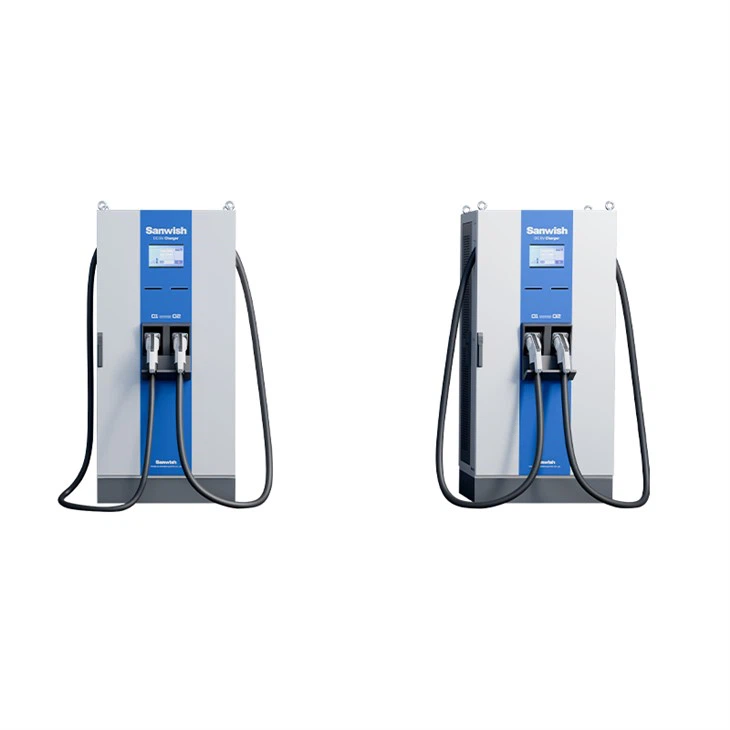
DC chargers come in different power ratings and configurations. For example, we offer 20kW Mobile DC EV Charger, which is a high - power charger mainly used for electric vehicles. And DC Electric Charging Stations are a more general category that includes a variety of chargers with different power levels and functions. Our Best DC Fast Charger is engineered to provide a rapid charging solution for compatible devices.
Compatibility of DC Chargers with Baby Monitors
When it comes to using a DC charger for a baby monitor at home, the first thing to consider is compatibility. Baby monitors typically have specific power requirements in terms of voltage and current. Most baby monitors operate on low - voltage DC power, usually in the range of 5V to 12V.
You need to check the user manual of your baby monitor to find out its exact power specifications. If the output voltage and current of the DC charger match those required by the baby monitor, then in theory, it can be used. However, it's important to note that not all DC chargers are created equal. Some chargers may have fluctuations in output voltage or current, which could potentially damage the baby monitor over time.
For example, if a charger has an output voltage that is slightly higher than what the baby monitor requires, it could cause overheating of the monitor's internal components. On the other hand, if the output voltage is too low, the baby monitor may not function properly, or it may experience intermittent signal loss.
Safety Considerations
Safety is of utmost importance when using any electrical device at home, especially when it comes to a device that is related to monitoring your baby. When using a DC charger for your baby monitor, there are several safety aspects to keep in mind.
First, make sure the DC charger is certified by relevant safety standards. Look for certifications such as UL (Underwriters Laboratories) or CE (Conformité Européene). These certifications indicate that the charger has passed rigorous safety tests and meets certain quality standards.
Second, check the insulation of the charger's cables. Damaged cables can pose a serious electrical hazard, including the risk of electric shock. If you notice any fraying or exposed wires, do not use the charger and replace it immediately.
Third, avoid overloading the charger. Do not connect multiple high - power devices to a single charger, as this can cause overheating and potentially start a fire.
Advantages of Using a DC Charger for Baby Monitors
There are several advantages to using a DC charger for your baby monitor at home. One of the main benefits is the ability to provide a stable power supply. Unlike some AC - powered adapters, DC chargers can offer a more consistent output voltage and current, which can help ensure the reliable operation of the baby monitor.
Another advantage is the flexibility. DC chargers can be used with a variety of devices, not just baby monitors. If you have other low - voltage DC - powered devices at home, you may be able to use the same charger for multiple purposes, which can save you money and reduce clutter.

How to Choose the Right DC Charger for Your Baby Monitor
When selecting a DC charger for your baby monitor, here are some tips to help you make the right choice.
- Check the Output Ratings: As mentioned earlier, match the output voltage and current of the charger with the requirements of the baby monitor. You can usually find this information on the charger's label and the baby monitor's user manual.
- Consider the Brand and Quality: Choose a charger from a reputable brand. Well - known brands often have better quality control and are more likely to offer reliable products.
- Look for Additional Features: Some DC chargers come with features such as over - voltage protection, over - current protection, and short - circuit protection. These features can provide an extra layer of safety for your baby monitor.
Conclusion
In conclusion, it is possible to use a DC charger at home for your baby monitor, but you need to ensure compatibility and pay attention to safety. By carefully checking the power requirements of your baby monitor and choosing a high - quality DC charger, you can enjoy the benefits of a stable and reliable power supply for your baby monitoring device.
If you are interested in purchasing a DC charger for your baby monitor or other home - use needs, we are here to help. Our company offers a wide range of DC chargers with different specifications to meet your various requirements. Feel free to contact us for more information and to start the procurement negotiation process. We look forward to working with you to find the perfect DC charger solution for your home.
References
- General knowledge about electrical engineering and power supplies.
- User manuals of common baby monitors and DC chargers.