

As an AC EV charger supplier, I often get asked the question: "Can I use an AC EV charger at home?" The short answer is yes, and in this blog post, I'll delve into the details of home AC EV charging, including its feasibility, benefits, and considerations.
Feasibility of Home AC EV Charging
Electrical Infrastructure
Most homes have the basic electrical infrastructure required to support an AC EV charger. In many regions, standard household electrical systems operate at 120 - 240 volts. AC EV chargers typically come in different power ratings, and lower - power chargers can easily be plugged into a regular household outlet. For example, a Level 1 AC charger, which usually operates at 120 volts, can be plugged into a standard three - pronged outlet, much like any other household appliance.
However, for faster charging, a Level 2 AC charger is preferred. These chargers operate at 240 volts and require a dedicated circuit. Many modern homes already have 240 - volt circuits for appliances such as dryers or electric ranges. If your home has an unused 240 - volt circuit, it can often be repurposed for an AC EV charger. In cases where a dedicated circuit is not available, an electrician can install one, which is a relatively straightforward process in most homes.

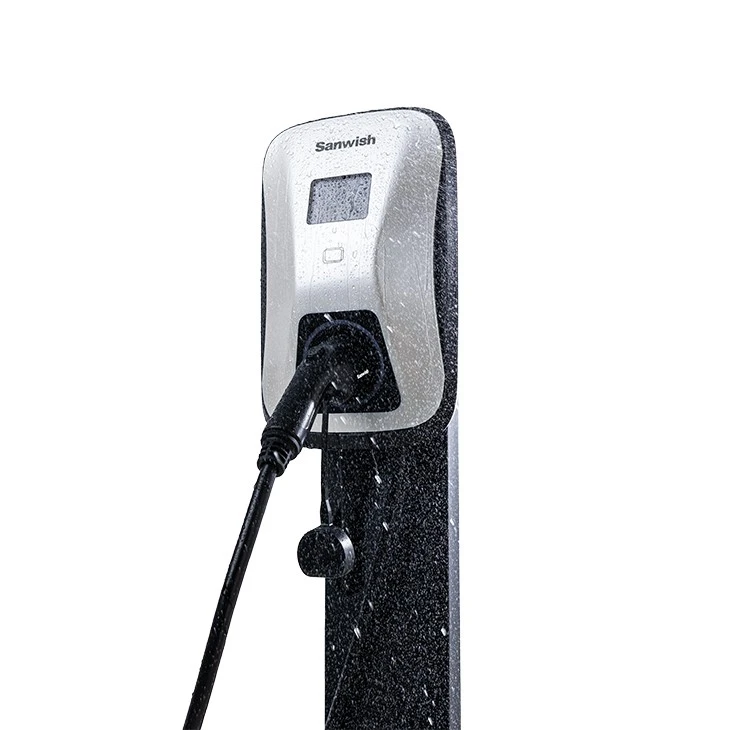
Compatibility with EVs
Almost all electric vehicles on the market today are compatible with AC charging. AC charging is the most common form of charging for home use because it is more convenient and less complex than DC fast charging. Most EVs come with an onboard charger that converts the alternating current (AC) from the charger into direct current (DC) to charge the vehicle's battery. The power rating of the onboard charger determines the maximum charging speed that the vehicle can accept from an AC charger.
For instance, some entry - level EVs may have an onboard charger with a power rating of 3.3 kW or 6.6 kW, while more advanced models can support up to 11 kW or even 22 kW. When choosing an AC EV charger for your home, it's important to consider the power rating of your vehicle's onboard charger to ensure optimal charging performance.
Benefits of Home AC EV Charging
Convenience
One of the biggest advantages of using an AC EV charger at home is the convenience it offers. You can simply plug in your vehicle when you arrive home from work or running errands, and wake up to a fully charged car in the morning. This eliminates the need to make detours to public charging stations, saving you time and hassle. With a home charger, you have the flexibility to charge your vehicle at your own pace, without having to worry about the availability of charging stations or long waiting times.
Cost - Effectiveness
Home charging is generally more cost - effective than using public charging stations. Electricity rates for home use are typically lower than the rates charged at public charging stations. Additionally, some utility companies offer special electricity rates for EV owners, which can further reduce the cost of charging. Over time, the savings on charging costs can be significant, especially if you drive your EV frequently.
Longer Battery Life
AC charging is a gentler way to charge an EV battery compared to DC fast charging. DC fast charging generates more heat, which can potentially degrade the battery over time. By using an AC charger at home for regular charging, you can help extend the lifespan of your vehicle's battery. This is especially important as the battery is one of the most expensive components of an EV.
Considerations When Choosing a Home AC EV Charger
Power Rating
As mentioned earlier, the power rating of the charger should match the power rating of your vehicle's onboard charger. If you choose a charger with a higher power rating than your vehicle's onboard charger can handle, it won't increase the charging speed. On the other hand, if you choose a charger with a lower power rating, the charging process will be slower.
For example, if your vehicle has an 11 kW onboard charger, a 11kW AC Type 2 EV Charger would be a suitable choice. However, if you have a more powerful vehicle with a 22 kW onboard charger, a 22kW Ac Fast Charger Ev or 22kW AC EV Charger would be better able to take advantage of the vehicle's charging capabilities.
Charger Features
Modern AC EV chargers come with a variety of features that can enhance your charging experience. Some chargers offer smart charging capabilities, which allow you to control the charging process remotely using a smartphone app. You can schedule charging times, monitor the charging status, and even set charging limits. This is particularly useful if you want to take advantage of off - peak electricity rates or if you need to limit the amount of charge your vehicle receives.
Other features to consider include weatherproofing, which is important if you plan to install the charger outdoors, and safety features such as ground fault protection and over - current protection.
Installation
The installation of an AC EV charger should be carried out by a qualified electrician. While the installation process is generally straightforward, it involves working with high - voltage electrical systems, so it's important to ensure that it is done correctly to avoid any safety hazards. The cost of installation can vary depending on factors such as the location of the charger, the need for a dedicated circuit, and the complexity of the electrical work.
Contact for Purchase and Consultation
If you're considering installing an AC EV charger at home, I'm here to help. As an experienced AC EV charger supplier, I can provide you with a wide range of high - quality chargers to suit your needs and budget. Whether you're looking for a basic Level 1 charger or a more advanced Level 2 charger with smart features, I have the expertise to guide you through the selection process.
I also offer professional installation services through a network of qualified electricians to ensure that your charger is installed safely and correctly. If you have any questions about home AC EV charging or need advice on choosing the right charger for your vehicle, please feel free to reach out. I'm happy to have a detailed discussion with you and assist you in making the best decision for your EV charging needs.
References
- "Electric Vehicle Charging Infrastructure: A Guide for Homeowners", U.S. Department of Energy
- "AC vs. DC Charging for Electric Vehicles", SAE International
- "Understanding EV Charging: Power Ratings and Compatibility", Electric Vehicle Association