

When it comes to powering our electronic devices at home, selecting the right DC charger is crucial. As a supplier of DC chargers for home use, I understand the importance of making an informed choice based on your device's power requirements. In this blog post, I'll guide you through the process of choosing the perfect DC charger for your home, ensuring that your devices are charged safely and efficiently.
Understanding Your Device's Power Requirements
The first step in choosing a DC charger is to understand your device's power requirements. Every electronic device has specific voltage and current needs, which are usually indicated on the device itself or in the user manual. Voltage is measured in volts (V), and current is measured in amperes (A) or milliamperes (mA). For example, a smartphone might require a charger that provides 5V and 1A of current, while a tablet might need 5V and 2A.
It's essential to match the charger's output voltage and current to your device's requirements. Using a charger with a higher voltage can damage your device, while a charger with a lower voltage might not charge your device at all. Similarly, a charger with a higher current rating can charge your device faster, but a charger with a lower current rating will take longer to charge.
Types of DC Chargers
There are several types of DC chargers available for home use, each with its own features and benefits. Here are some of the most common types:
Wall Chargers
Wall chargers are the most popular type of DC charger for home use. They are small, portable, and easy to use. Wall chargers typically come with a USB port, which allows you to connect your device using a USB cable. Some wall chargers also have multiple USB ports, so you can charge multiple devices at the same time.
Car Chargers
Car chargers are designed to be used in vehicles. They plug into the car's cigarette lighter or power outlet and provide a DC power source for your devices. Car chargers are convenient for charging your devices while on the go, but they usually have a lower power output than wall chargers.
Wireless Chargers
Wireless chargers use electromagnetic induction to charge your devices without the need for a cable. They are becoming increasingly popular, especially for smartphones and other mobile devices. Wireless chargers are easy to use and eliminate the hassle of dealing with cables. However, they usually have a lower charging speed than wired chargers.
DC Electric Charging Stations
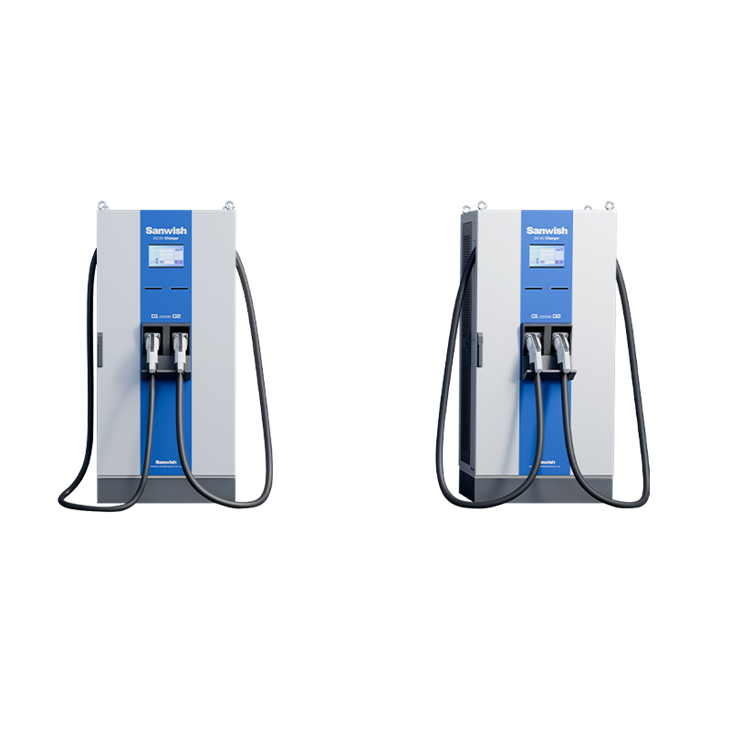
DC electric charging stations are designed to charge electric vehicles (EVs) at home. They provide a high-power DC charging solution, allowing you to charge your EV quickly and efficiently. DC charging stations are more expensive than other types of chargers, but they are essential for EV owners who want to charge their vehicles at home.
Factors to Consider When Choosing a DC Charger
In addition to your device's power requirements, there are several other factors to consider when choosing a DC charger for home use. Here are some of the most important factors:
Charging Speed
The charging speed of a DC charger is determined by its output voltage and current. A charger with a higher voltage and current rating will charge your device faster than a charger with a lower rating. However, it's important to note that your device's charging speed also depends on its internal charging circuitry. Some devices are designed to charge at a maximum speed, while others may charge more slowly to protect the battery.
Compatibility
Not all DC chargers are compatible with all devices. Before purchasing a charger, make sure it is compatible with your device's make and model. Some chargers are designed to work with specific devices or brands, while others are more universal. It's also important to check the charger's output voltage and current to ensure they match your device's requirements.
Safety Features
Safety is always a top priority when it comes to charging your devices. Look for a DC charger that has built-in safety features, such as overcharge protection, short circuit protection, and overheat protection. These features help to prevent damage to your device and reduce the risk of fire or other hazards.
Portability
If you plan to use your charger on the go, portability is an important factor to consider. Wall chargers and car chargers are typically small and lightweight, making them easy to carry with you. Wireless chargers are also relatively portable, but they may require a specific charging pad or stand.
Price
The price of a DC charger can vary depending on its type, features, and brand. Wall chargers and car chargers are usually the most affordable, while DC electric charging stations are the most expensive. It's important to choose a charger that fits your budget, but don't compromise on quality and safety.
DC Level 3 Charger
For EV owners, a DC Level 3 Charger is the fastest and most efficient way to charge their vehicles at home. DC Level 3 chargers, also known as fast chargers, can provide a high-power DC charging solution, allowing you to charge your EV from 0 to 80% in as little as 30 minutes.
DC Level 3 chargers are more expensive than other types of chargers, but they are worth the investment if you need to charge your EV quickly. They are also more complex to install and require a dedicated electrical circuit. Before purchasing a DC Level 3 charger, make sure you have the necessary electrical infrastructure in place.
DC Charger Home
If you're looking for a DC charger for home use, we offer a wide range of DC Charger Home solutions to meet your needs. Our chargers are designed to be safe, reliable, and efficient, and they come with a variety of features and benefits.
Whether you need a wall charger for your smartphone, a car charger for your tablet, or a DC electric charging station for your EV, we have the right charger for you. Our chargers are compatible with a wide range of devices and brands, and they are backed by our commitment to quality and customer service.

Conclusion
Choosing the right DC charger for home use is essential for ensuring that your devices are charged safely and efficiently. By understanding your device's power requirements, considering the type of charger you need, and evaluating the factors discussed in this blog post, you can make an informed decision and choose the perfect charger for your needs.
If you have any questions or need help choosing a DC charger, please don't hesitate to contact us. We are a leading supplier of DC chargers for home use, and we are committed to providing our customers with the best products and services. We look forward to hearing from you and helping you find the right charger for your home.
References
- Consumer Reports. (n.d.). How to Choose the Right Charger for Your Device. Retrieved from https://www.consumerreports.org/electronics-computers/how-to-choose-the-right-charger-for-your-device/
- PCMag. (n.d.). How to Choose the Best Charger for Your Smartphone. Retrieved from https://www.pcmag.com/how-to/how-to-choose-the-best-charger-for-your-smartphone
- The Wirecutter. (n.d.). The Best USB Wall Chargers. Retrieved from https://thewirecutter.com/reviews/best-usb-wall-chargers/