

Hey there! I'm a supplier of DC level 3 chargers, and I often get asked this question: "How many electric vehicles can a DC level 3 charger charge simultaneously?" Well, let's dig into this topic and find out.
First off, let's understand what a DC level 3 charger is. A DC level 3 charger, also known as a DC fast charger, is a high - power charger that can charge an electric vehicle (EV) much faster than a regular AC charger. These chargers are a game - changer in the EV world, as they can significantly reduce the charging time, making long - distance travel in EVs more feasible. You can learn more about them on our DC Electric Charger page.
The number of electric vehicles a DC level 3 charger can charge simultaneously depends on several factors. One of the most important factors is the charger's power output. DC level 3 chargers typically have power outputs ranging from 50 kW to over 350 kW. A higher - power charger has more capacity to distribute energy among multiple vehicles.

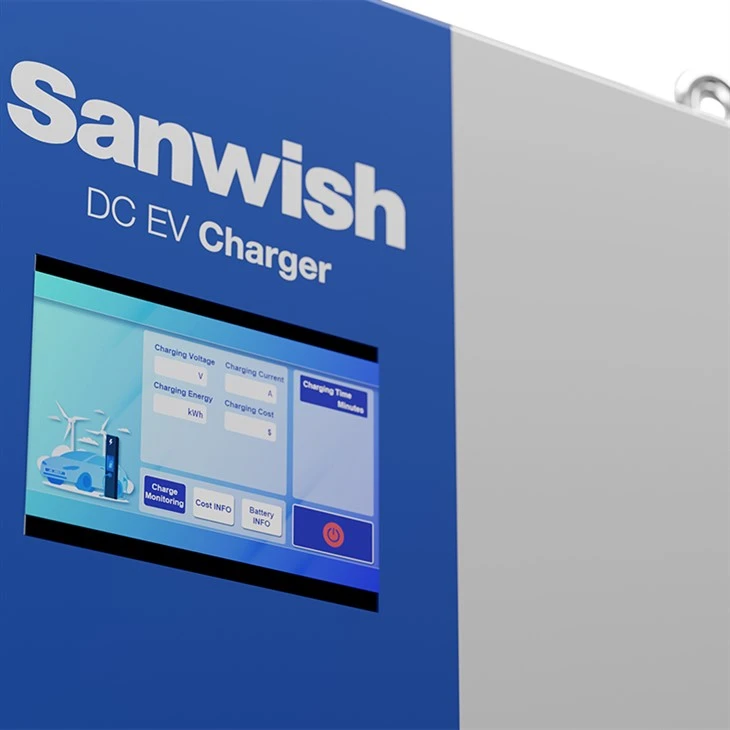
Let's take a look at some common scenarios. A standard 50 - kW DC level 3 charger is a popular choice for many charging stations. If we assume that an average electric vehicle needs around 25 - 30 kW to charge at a reasonable speed, a 50 - kW charger can theoretically charge two vehicles simultaneously. However, in real - world situations, it's not always that simple.
The charging process of an EV is not a constant power draw. At the beginning of the charging cycle, an EV can accept a high amount of power. But as the battery gets closer to full, the charging rate slows down to protect the battery from overheating and damage. So, if one vehicle is at the start of its charging cycle and the other is near full, the power distribution will be uneven. The charger will allocate more power to the vehicle that can accept it, and the charging time for each vehicle will be affected.
Now, let's consider a more powerful 150 - kW DC level 3 charger. With this charger, we could potentially charge three or more vehicles at the same time, depending on their charging requirements. For example, if we have three vehicles that each need around 50 kW at a given time, the charger can handle them all. But again, the actual number of vehicles that can be charged simultaneously will vary based on the state of charge of each vehicle.
Another factor that affects the number of vehicles a charger can handle is the charger's design. Some DC level 3 chargers are designed with multiple charging ports, allowing them to connect to several vehicles at once. These multi - port chargers have built - in power management systems that can intelligently distribute power among the connected vehicles. You can explore our DC EV Charger Home options, which might include some multi - port chargers.
However, even if a charger has multiple ports, it doesn't mean that all ports can operate at full power simultaneously. The total power output of the charger is still limited, and the power management system has to make sure that the total power drawn by all connected vehicles does not exceed the charger's capacity.
In addition to power output and charger design, the type of electric vehicles also matters. Different EV models have different battery capacities and charging capabilities. Some high - end electric vehicles can accept very high charging rates, while others are limited to lower rates. For example, a Tesla Model S can charge at high speeds, but a smaller, more budget - friendly EV might have a lower maximum charging rate. If we have a mix of high - and low - charging - rate vehicles connected to a DC level 3 charger, the charger has to adjust the power distribution accordingly.
Let's talk about real - world applications. In a public charging station, the goal is to serve as many vehicles as possible in the shortest amount of time. Charging station operators need to balance the number of chargers and the power output of each charger to meet the demand. If a charging station has a high volume of traffic, it might be more beneficial to install higher - power chargers with multiple ports. This way, they can charge more vehicles simultaneously and reduce the waiting time for customers.
On the other hand, for a home or a small business charging setup, a single - port 50 - kW DC level 3 charger might be sufficient. If you only have one or two electric vehicles to charge, there's no need for a high - power multi - port charger. You can check out our Dc Fast Charger With A Ccs Plug for a suitable home or small - scale charging solution.
To sum it up, there's no one - size - fits - all answer to how many electric vehicles a DC level 3 charger can charge simultaneously. It depends on the charger's power output, design, the state of charge of the vehicles, and the charging capabilities of the EVs themselves.
If you're in the market for a DC level 3 charger, whether it's for a public charging station, a home, or a business, we're here to help. We have a wide range of chargers with different power outputs and features to meet your specific needs. Just get in touch with us to start a procurement discussion, and we'll work with you to find the best charging solution for your situation.
References
- Electric Vehicle Charging Standards and Technologies. International Electrotechnical Commission (IEC).
- Research on Electric Vehicle Charging Behavior and Power Distribution. Journal of Sustainable Transportation.